Poland’s beverage scene is a captivating blend of tradition, culture, and everyday indulgence. While vodka undoubtedly symbolizes Polish heritage, embodying centuries of craftsmanship and celebration, the country’s love affair with beer is equally profound, representing the common spirit of daily life. Beyond these two giants, Poland offers a rich tapestry of drinks, from the soothing sweet tones of kompot to the historic sweetness of mead and the array of unique liqueurs found in every home. This exploration unravels the nuanced story behind Poland’s national drink identity—a tale of symbols and staples intertwining to narrate a deeper cultural story.
In Poland, drinks are far more than mere refreshment; they’re an articulation of identity, moments of connection, and living history poured into a glass. From the meticulously distilled artisanal vodkas such as Belvedere and Wyborowa, to the craft beers rising in popularity, every sip conveys a rich tradition. Consider the hallmark vodka made with bison grass, Żubrówka, whose distinctive herbaceous note carries the scent of ancient primeval forests. Alongside these, hearty honey liqueurs like Krupnik and the comforting homemade fruit liqueurs branded under names like Soplica offer a taste of Polish hospitality. Whether raised in a toast of “Na zdrowie!” or shared casually over dinner, these beverages anchor social and familial rituals and reveal the dynamic essence of Poland’s cultural landscape in 2025.
The Iconic Role of Vodka (Wódka) as Poland’s Cultural Emblem
When discussing Poland’s national drink, vodka takes a definitive spotlight, not merely because of its historical prominence but due to its unique entrenchment in Polish society. It transcends the label of a mere spirit and becomes a ceremonial vessel representing tradition, warmth, and communal respect.
Vodka’s heritage in Poland dates back to the Middle Ages, with records mentioning “wódka” as early as 1405. Initially harnessed for medicinal and cosmetic uses, the spirit quickly evolved into a social staple, integrated deeply within festive occasions and everyday neighborly gatherings. Its production initially favored rye, prized for its robust aromatic qualities, while later potato distillation added smoothness and creaminess to the diverse vodka portfolio.
Among the hallmarks of Polish vodka is the coexistence of premium brands, each symbolizing a unique facet of the national palette:
- Belvedere: A luxury rye vodka known for its silky texture and subtle hints of vanilla and almond, perfect for sipping or elevating classic cocktails.
- Wyborowa: Representing tradition with a slight sweetness and grainy backbone, revered as an all-rounder suitable for most occasions.
- Żubrówka: Infused with bison grass from the Białowieża Forest, this one delights with its vanilla-almond notes and fresh herbal aroma, often mixed with apple juice for the famous “Tatanka” cocktail.
- Luksusowa and Sobieski: Valued for their quality and affordability, offering balance and authenticity in every shot.
- Chopin: A creamy potato vodka with earthy undertones, revered for its pristine finish suited to neat sipping.
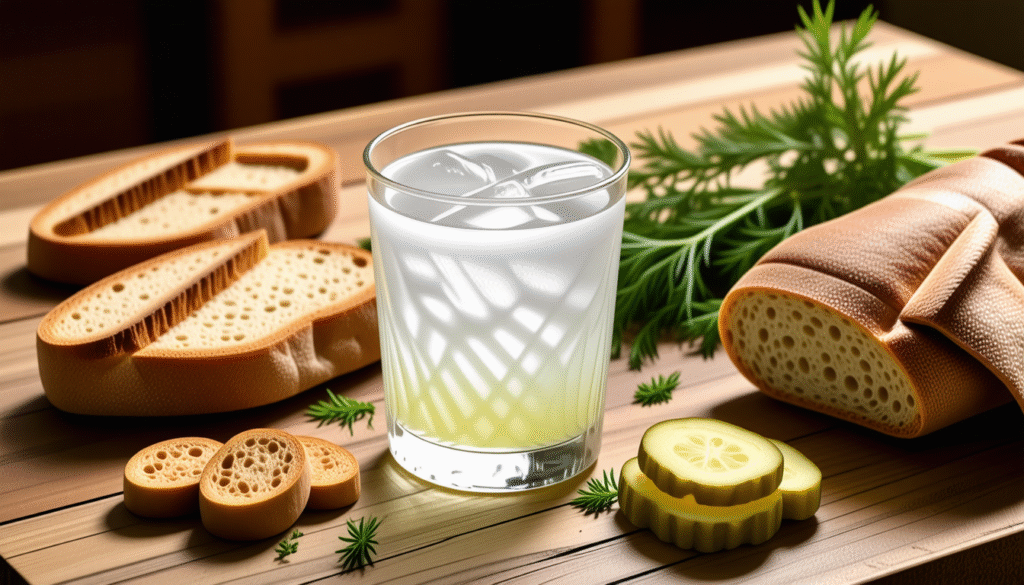
The ritual surrounding vodka consumption is as significant as the drink itself. Polish customs dictate that vodka should always be served ice-cold, with shot glasses chilled to smooth the spirit’s bold character. The etiquette of toasting—“Na zdrowie!”—is not just formal but a heartfelt gesture that bonds participants, lighting up conversations and friendships alike. A notable element is the always-present “zakąska,” small flavorful snacks that accompany vodka, from pickled herring to tangy gherkins and robust sausages, helping to temper the spirit and add layers of taste.
This defining relationship between vodka and Polish identity highlights why Poland proudly holds its claim as a vodka powerhouse, not only in heritage but also in the refined skill evident in bottling tradition today.
Beer (Piwo): Poland’s Daily Favorite and the Craft Revolution
While vodka enjoys the ceremonial crown, beer overwhelmingly reigns as the staple drink in the everyday lives of Poles. Far beyond just a thirst quencher, beer embodies local conviviality, casual relaxation, and culinary pairing across Poland’s diverse regions.
Polish beer boasts centuries of history, with roots traceable to medieval monastic brewing traditions. The modern Polish beer market combines mass-produced favorites and a burgeoning craft segment, reflecting an innovative and ever-evolving beverage culture.
The three giants in Polish commercial beer include:
- Żywiec: Known for its iconic dancing couple logo, its pale lager is a national staple and an assured symbol of Polish lager quality.
- Tyskie: Award-winning pilsners renowned for their crisp balance and refreshing character.
- Lech: Particularly favored in western Poland, Lech offers a light lager and seasonal flavoured beers that effortlessly complement warm social gatherings.
The rise of craft beer, powered by brands such as Pinta, AleBrowar, and Artezan, enriches the scene with ingredients and styles ranging from hoppy IPAs to velvety stouts and uniquely Polish Baltic Porters. The latter is a noteworthy specialty: a robust lager with deep caramel, chocolate, and dark fruit aromas that surprisingly contrasts with more renowned German or Czech brewing traditions.
Choosing a beer in Poland offers more than mere refreshment — it is a social statement and a regional pride marker. Broader access to global hop varieties and innovative brewing methods continues to fuel this revolution, ensuring that Polish beer remains a vibrant and evolving domain.
Polish beer’s versatility is also evident in its compatibility with traditional dishes. Delicate pierogi find their match with lighter lagers, while hearty servings of bigos (hunter’s stew) stand up well to robust dark beers or complemented by the familiar icy snap of a rye vodka shot. This seamless integration makes beer an essential element of Polish daily dining culture and socialization.
Mead (Miód Pitny): Poland’s Honeyed Heritage in a Glass
Among Poland’s spirited treasures lies miód pitny, or mead, a drink that connects present-day drinkers to an ancient Slavic legacy. Crafted from fermented honey and water, mead’s tradition in Poland spans over a millennium, celebrated not just for flavor but its historic stature.
Polish mead comes in distinct varieties defined primarily by honey-to-water ratios, each with its own signature sweetness and potency:
- Półtorak: The richest and most luxurious with one part honey to a half part water; dense, highly sweet, and typically aged for many years.
- Dwójniak: Balanced yet still indulgent, featuring equal parts honey and water and a moderate fermentation period.
- Trójniak: The most common style, lighter in sweetness with one part honey to two parts water.
- Czwórniak: A notably dry and the lightest type, with a 1:3 ratio of honey to water.
Miód pitny enjoys most use during celebrations and cold seasons, often served warm, pairing exquisitely with the festive ambiance of winter holidays. Its production remains a proud artisanal practice, with modern vintners innovating on traditional methods to infuse local honeys, fruits, and spices, creating complex flavor profiles that honor heritage while appealing to contemporary palates.
Mead’s regal history positions it beyond casual drinking; it’s an emblem of festivity and historical continuity, treasured in Polish weddings, anniversaries, and cultural gatherings. The reverence for mead today mirrors its noble past, reinforcing Poland’s rich alcoholic heritage alongside vodka and beer.
Sweet and Spiced Delicacies: Krupnik and Polish Liqueurs
Exploring Poland’s national drink landscape requires attention to its lesser-known but equally esteemed honey liqueur, Krupnik, alongside a spectrum of fruit-based and herbal liqueurs broadly known as nalewki. These beverages seize a special place on Polish tables, often cherished for their complex layering of sweetness and spice.
Krupnik stands apart due to its intricate infusion of honey with warming spices such as cinnamon, cloves, nutmeg, and cardamom. Unlike simple honey liquors, this careful spice blend delivers a warm, richly aromatic profile. Traditionally, the spices are simmered before blending with honey and vodka, then aged to achieve harmonious unity, an art whose nuances are guarded in family recipes across Poland’s regions.
In addition to Krupnik, homemade nalewki are a hallmark of Polish households, representing personalized flavors often passed down through generations. Popular varieties include:
- Wiśniówka: A potent cherry liqueur with a delightful balance of sweetness and tartness, a staple on many festive tables.
- Soplica: Known for an extensive range of flavors, from the creamy Orzech Laskowy (hazelnut) resembling liquid Nutella to the fragrant Pigwowa (quince).
- Other fruit and herbal infusions incorporating blackcurrants, raspberries, and wild herbs, all carrying regional and family-specific tweaks.
These liqueurs typically conclude meals, serving as digestifs that nurture conviviality and warmth. Their home-crafted essence underlines the concept that to drink in Poland is to participate in a living tradition where flavors tell stories of places, seasons, and kinship.
Kompot and Non-Alcoholic Traditions: A Homegrown Refreshment
Not all cherished Polish beverages contain alcohol. Kompot reigns supreme as a quintessential non-alcoholic drink, a testament to Polish resourcefulness and homely flavors. It involves a methodical simmering of fresh or dried fruits such as apples, cherries, or plums with sugar and aromatic spices, resulting in a lightly sweet, fragrant beverage enjoyed all year round.
Kompot’s versatility suits both summer and winter: chilled for a cooling fruit-infused respite in warm months and served warm during winter festivities, notably at the Christmas Eve dinner, Wigilia, where Kompot z suszu (dried fruit compote) holds a special place.
Its preparation is straightforward yet symbolic:
- Combine seasonal or dried fruits with water and sugar.
- Simmer gently to extract flavors without losing fruit integrity.
- Cool and serve chilled, or enjoy hot for festive warmth.
- Fruit left after drinking is often eaten as a sweet treat, making it a zero waste delight.
Other non-alcoholic favorites include fermented dairy drinks like kefir and maślanka, beloved for their tangy refreshment, and herbal teas such as mint or chamomile, revered for their soothing qualities. The tradition of diluting fruit syrups, especially raspberry (“sok malinowy”), with water creates simple, youthful beverages known as woda z sokiem, popular throughout Polish households.
These drinks further emphasize the warmth and culture of Polish hospitality, proving that the heart of Poland’s drinking tradition beats vibrantly beyond spirits.