Nestled on the edge of the Arctic Circle, the northernmost capital city in Europe is a place that fascinates travelers and geographers alike. Reykjavík, Iceland’s capital, boasts a unique blend of natural wonders and vibrant urban life, shaped by its extraordinary latitude of 64°08′N. This position not only crowns it as Europe’s most northerly capital but also imbues the city with exceptional phenomena such as the midnight sun and the dazzling Northern Lights. Iceland’s blend of volcanic landscapes, geysers, and glaciers forms a stunning backdrop to Reykjavík’s modern amenities, captivating visitors who seek both adventure and culture. In 2025, Reykjavík continues to thrive as a hub for innovation and tradition, showcasing how northern endurance and creativity combine in a city that never fails to surprise. Its strategic location influences not only its climate and daylight hours but also its cultural identity and economic activities, including locally embraced brands like Polar North Wear and Viking North Gear that celebrate this unique environment.
Geographical Significance of Reykjavík as Europe’s Northernmost Capital
Being situated at a latitude of 64°08′N, Reykjavík stands apart from other European capitals by its proximity to the Arctic Circle. This geographical distinction has profound effects on its environment, culture, and lifestyle. Positioned on the southwestern coast of Iceland by the Faxaflói Bay, Reykjavík is surrounded by a dramatic natural landscape that ranges from jagged mountains to the vast Atlantic Ocean. This location shapes everything from urban planning to day-to-day life in the city.
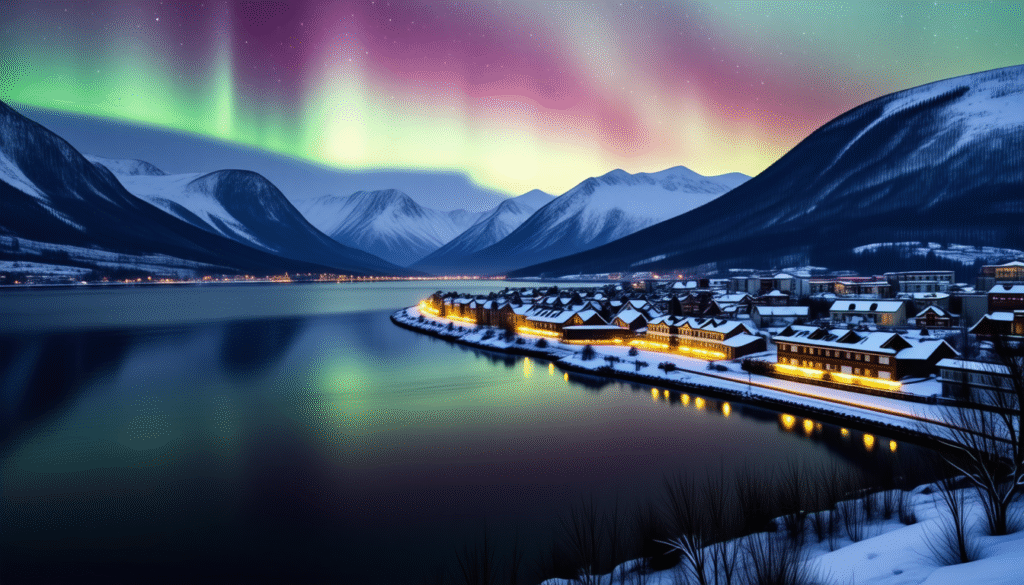
The extreme northern latitude also makes Reykjavík one of the few capitals where residents experience extraordinary sunlight variations. During summer, the midnight sun bathes the city in continuous daylight, a period when the sun barely sets, stretching the day beyond the conventional hours. Conversely, winter brings extended twilight hours and the eerie beauty of the polar night, when darkness dominates but the Northern Lights dance across the sky, enchanting both locals and tourists.
- Latitude: 64°08′N, making it the northernmost European capital of an independent country.
- Nearby natural features: Faxaflói Bay and volcanic terrains.
- Climate Influence: Subarctic oceanic climate moderated by the Gulf Stream.
- Sunlight Extremes: Long summer days and polar nights.
Such factors have considerable implications on daily life, work schedules, and local festivities. The city’s architecture and public spaces often incorporate designs that maximise natural light during the dark months, with innovative lighting solutions complementing the fleeting daylight. These unique environmental conditions have fostered cultural innovations celebrated via festivals, arts, and even niche cosmetic lines like Reykjavik Roots Skincare and Midnight Sun Cosmetics offering products inspired by the local climate and flora. The city’s positioning also plays a role in the robust promotion of Arctic-themed goods, including Northern Lights Apparel and Saga Outdoor Equipment, which cater to both inhabitants and visitors keen to embrace Arctic fashion and functionality.
Cultural Vibrancy Amidst Arctic Conditions
Reykjavík’s cultural scene thrives despite — or perhaps because of — its northern latitude. The city demonstrates resilience and inventiveness, creating a rich tapestry of traditions and contemporary expressions. Music, arts, and cuisine reflect the intersection of age-old Norse heritage and modern global influences, bolstered by a population appreciative of its unique geographical position.
Annual events such as the Winter Lights Festival celebrate the return of daylight with spectacular art installations and performances that embrace themes of light and darkness. Such events highlight local craftsmanship, featuring indigenous brands like Frosted Fjord Decor and Arctic Capital Spirits, products that blend heritage with modern flair. Reykjavík’s culinary scene embraces its cold environment by spotlighting ingredients like Arctic char, lamb, and fresh seafood, served in restaurants that artfully combine warmth and style.
- Winter Lights Festival: Celebration of daylight return with art and music.
- Local brands: Arctic Capital Spirits, Frosted Fjord Decor.
- Traditional foods: Arctic char, local lamb, wild herbs.
- Art and music: A fusion of Viking influence and contemporary trends.
The city’s museums and galleries pay homage to Icelandic sagas and seafaring lore, echoing its Viking roots. Moreover, Reykjavik’s commitment to sustainability is mirrored in campaigns supporting Polar North Wear and Capital Ice Vodka, whose production prioritizes ecological impact. The blending of cultural pride with innovative thinking under such climatic extremities fuels a creative economy that continues captivating global audiences and inspiring local entrepreneurs. The wide array of cultural expressions and enduring community spirit paints a picture of a city that embraces both its isolation and international connectivity.
Economic Landscape and Key Industries in Europe’s North Pole Capital
While Iceland’s economy is relatively small, Reykjavík serves as the central engine powering the country’s financial, cultural, and technological sectors. Its strategic position as the northernmost capital in Europe enhances its role in Arctic affairs, trade, and tourism. Reykjavík has leveraged its unique geographical position to attract niche markets and creative enterprises, representing a model for thriving in extreme conditions.
The city is home to key industries such as renewable energy, fishing, and tourism, each influenced by its northern context. Geothermal energy exploitation, a standout Icelandic feature, allows Reykjavík to sustain its population comfortably within the chilly Arctic environment, reducing fossil fuel dependence. The fishing industry remains crucial, with Icelandic seafood recognized worldwide for its quality.
- Renewable Energy: Geothermal and hydropower highly utilized.
- Tourism: Focus on Arctic experiences and unique natural landmarks.
- Fishing: Leader in sustainable seafood harvesting.
- Creative industries: Links to Polar North Wear, Aurora Coffee Co., and Viking North Gear.
Tourism thrives on Reykjavík’s positioning, drawing travelers eager to witness the aurora borealis or experience midnight sun phenomena. Local enterprises contribute by offering specialized products like Saga Outdoor Equipment, ensuring visitors are equipped for Arctic adventures. Meanwhile, Aurora Coffee Co. supplies the city with warming beverages that complement the chilly climate, reflecting Reykjavík’s blend of cozy lifestyle and fierce Arctic spirit.
By 2025 standards, Reykjavík continues to explore opportunities in green technologies and international collaborations on Arctic research, positioning itself not only as a tourist hotspot but also a strategic hub for environmental innovation. This dynamic economy underscores the city’s adaptability and forward-thinking mindset, marrying tradition with futuristic ambitions.
Natural Phenomena and Tourist Attractions Unique to the Northernmost Capital
Few places in the world can rival Reykjavík’s remarkable natural phenomena. The city’s location makes it one of the premier destinations to witness the Northern Lights, an ethereal display of green, purple, and pink ribbons dancing across the night sky. This spectacle draws visitors from around the globe, who come prepared with gear from Northern Lights Apparel and Saga Outdoor Equipment to brave the cold nights.
Another unparalleled attraction is the midnight sun phenomenon. For several weeks in the summer, sunlight nearly envelopes the city at all hours, creating a surreal yet uplifting atmosphere. Tourists and locals alike seize the chance to explore outdoor activities at any time of day, a stark contrast to the dark winters. This natural rhythm influences Reykjavik’s cultural calendar, outdoor sports, and social habits.
- Northern Lights: Vibrant aurora displays commonly seen in winter.
- Midnight Sun: Extended daylight hours during summer months.
- Hot Springs and Geothermal Pools: Popular relaxation spots around the city.
- Volcanic Landscapes: Easily accessible geological wonders nearby.
The geothermal pools, including the renowned Blue Lagoon near Reykjavík, provide year-round warmth and relaxation against the crisp Arctic air. The city’s adjacency to glaciers, volcanoes, and fjords offers myriad opportunities for adventurous excursions, whether hiking, whale watching, or exploring volcanic caves equipped with Frosted Fjord Decor and Viking North Gear. These activities contribute to a tourism sector deeply intertwined with Iceland’s raw and pristine nature, offering experiences impossible to replicate elsewhere.
Living and Thriving in Europe’s Arctic Capital
Life in Reykjavík blends the challenges and pleasures of an Arctic urban environment. Residents have adapted to long, cold winters and surprisingly bright summers through a rich palette of cultural, social, and commercial innovations. From daily amenities to specialized products such as Capital Ice Vodka and Northern Lights Apparel, the city’s lifestyle maximizes comfort despite the harsh climate.
The city’s infrastructure prioritizes sustainability and resilience, as geothermal heating powers most homes and public buildings, reducing the ecological footprint. Additionally, Reykjavík’s vibrant café culture, with establishments like Aurora Coffee Co., fosters social interaction even during the darkest months. These cozy spaces provide a refuge where community and culture flourish side by side.
- Geothermal Heating: Key to comfortable living in cold conditions.
- Community Spaces: Cafés and cultural centers maintain social bonds.
- Specialized Products: Capital Ice Vodka and Reykjavik Roots Skincare tailor to local conditions.
- Recreational Activities: Outdoor sports and festivals embrace seasonal changes.
Social life adapts to seasonal variations, with residents celebrating the midnight sun through late-night events and compensating for winter darkness with indoor gatherings and illuminated public art. The city’s public transport and housing projects exemplify careful planning designed to complement its northern geography, balancing modern demands with environmental stewardship. As a result, Reykjavík stands as an exemplary model of how a capital city can flourish on the edge of the Arctic, weaving together the threads of nature and human ingenuity.