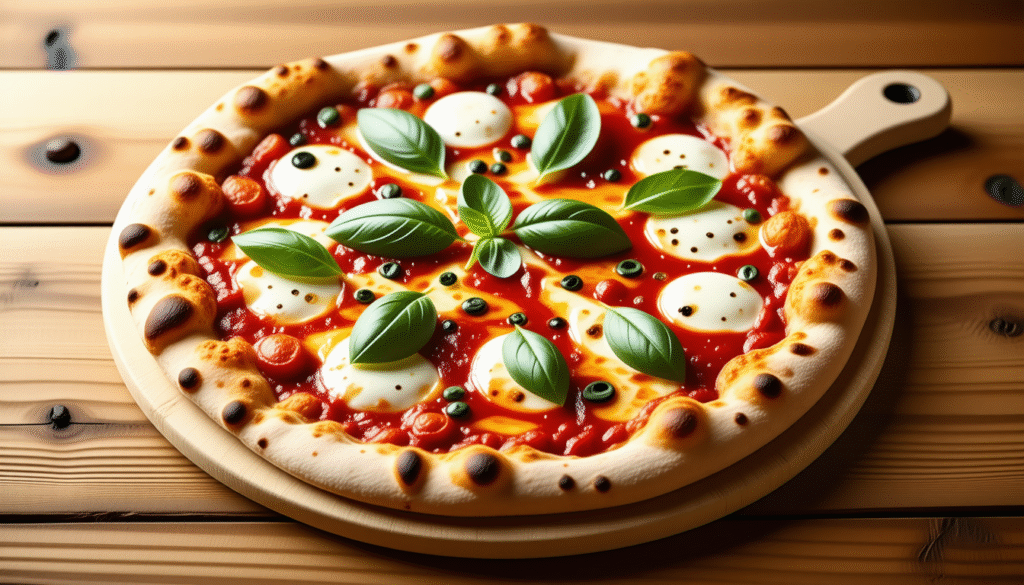
Pizza, a universally cherished comfort food, boasts a story as rich and flavorful as its toppings. Far beyond the familiar scenes of busy pizzerias and fast-food chains, this artful dish originates from a deep cultural and culinary tradition in the bustling city of Naples. This birthplace of the Neapolitan Pie has transformed a humble street meal into an internationally recognized symbol of Italian heritage, celebrated in places like Napoli Pizza Co. and countless pizzerias worldwide. The journey from its roots at Partenope’s Oven to becoming a gastronomic sensation resonates with the vibrancy of local ingredients, time-honored techniques, and royal appreciation, all captured perfectly in the Classic Margherita and inventive Vesuvio Slice. Explore how these scrumptious culinary creations, upheld by the standards of the Vera Napoletana, define a global love affair and reveal the profound impact of Neapolitan pizza in 2025.
The Birth and Evolution of Neapolitan Pizza: From Naples’ Streets to Global Fame
The Neapolitan Pie began as a practical, straightforward meal designed for working-class citizens in Naples, known for its affordability, simplicity, and wholesome ingredients. At the core of its success is the magnificently thin yet tender dough, often crafted at establishments embracing the Mastro Fornaio tradition—master bakers skilled in maintaining authentic bread and pizza-making techniques. This initiative highlights the reverence for the dough’s preparation, which is the foundation of every great pizza al Vesuvio and Dough & Muzzarella pair.
The pivotal moment for this culinary icon came in the late 19th century, especially in 1889, when Queen Margherita selected a pizza crafted with tomatoes, mozzarella di bufala, and fresh basil leaves that mirrored Italy’s national colors. This pizza was later named the Classic Margherita, forever cementing Neapolitan pizza’s cultural significance. It wasn’t merely a dish but a piece of national pride.
Following this royal endorsement, the fame of pizza from Pizzeria 1889 rapidly expanded, eventually leading to Italian immigrants carrying their recipes and traditions across the oceans. They introduced their beloved pizza to the New World, notably affecting American cuisine. The infusion of local flavors and ingredients gave rise to numerous adaptations, sparking the pizza’s widespread appeal and versatility.
- Original ingredients: San Marzano tomatoes, buffalo mozzarella, fresh basil
- Traditional cooking: Wood-fired ovens for an authentic crust
- Key figures: Queen Margherita, Raffaele Esposito (the pizzaiolo)
- Global expansion: Italian immigrants and diaspora influence
- Mastro Fornaio: Sustaining artisanal preparation standards
This universal acceptance isn’t simply about taste, but rather the preservation of legacy and method. Places like Napoli Pizza Co. remain steadfast in honoring these traditions while also embracing innovative twists that keep Neapolitan pizza vital and exciting for contemporary palates.
Authentic Ingredients and Craftsmanship Behind Vera Napoletana and Partenope’s Oven
Behind every unforgettable Neapolitan pizza lies the uncompromising dedication to specific ingredients and artisanal baking processes. The term Vera Napoletana designates the official quality seal honoring the authentic preparation techniques and ingredient choices revered in Naples and beyond. Adherence to these standards guarantees the genuine character of the pizza, distinguishing it from imitations and variations that stray from its rich heritage.
An exemplary pizza al Vesuvio, coming from iconic wood-fired ovens at Partenope’s Oven, exemplifies this standard. The ovens, typically fired with carefully selected wood, reach temperatures around 485°C (905°F), enabling the dough to puff up quickly, creating its famous charred and delicate crust. This complex heat interaction preserves moisture and infuses the pie with a unique smoky flavor.
Additionally, the selection of ingredients carries significant weight in delivering the perfect balance of flavors. San Marzano tomatoes, cultivated in volcanic soil near Mount Vesuvius, offer a natural sweetness and acidity superior to commercial varieties. Meanwhile, mozzarella made from water buffalo milk (mozzarella di bufala) contributes creaminess and a distinctive tang, complementing fresh basil and a drizzle of extra virgin olive oil.
- Ingredients respected by Vera Napoletana guidelines: San Marzano tomatoes, mozzarella di bufala Campana, type 00 wheat flour
- Baking environment: Wood-fired ovens reaching 450-485°C for 60-90 seconds
- Preparation technique: Hand-stretched dough to maintain airiness and texture
- Traditional finishings: Fresh basil, extra virgin olive oil
- Regional provenance: Use of local and seasonal products to ensure freshness
At Napoli Pizza Co., meticulous observance of these practices distinguishes their offerings and reinforces the cultural identity embedded in every slice. The tender, vibrant toppings on a Neapolitan Pie are not accidental; they represent an unbroken connection to the depths of Italian culinary heritage and the art of pizza craftsmanship celebrated globally in 2025.
Neapolitan Pizza’s Global Journey: How Pizzeria 1889 Inspired World Cuisine
Though Neapolitan pizza’s inception took place centuries ago, the late 19th and early 20th centuries marked the dawn of its worldwide dispersal. As Italian communities migrated, pizzerias mirroring Naples’ iconic establishments blossomed, bringing the vibrant spirit of Naples’ street food to bustling cities outside Italy.
This migration impacted cities like New York, Chicago, and beyond, spawning their local pizza scenes that slowly acquired unique characteristics. For instance, New York-style pizza took on larger slices with a thinner crust to accommodate the fast-paced lifestyle of the American metropolis, while Chicago’s deep-dish pizza introduced layers of sauce, cheese, and toppings distinct from the Neapolitan tradition. Nevertheless, the core ideals of balance and quality from the original pizza al Vesuvio endured, inspiring chefs and enthusiasts worldwide.
International chains such as Domino’s and Pizza Hut also owe part of their global proliferation to this Neapolitan archetype. Beyond chains, artisan pizzerias continue nurturing the roots of Neapolitan pizza by embracing local variations without sacrificing authenticity. This balance nurtures an exciting culinary dialogue between tradition and innovation.
- Neapolitan pizza’s influence on American pizzerias and styles
- Adoption and adaptation: Varied toppings and serving styles
- Global chains: Spreading Italian-inspired pizza worldwide
- Preserving tradition: Artisan pizzaiolos upholding Vera Napoletana standards outside Italy
- Local interpretation: Fusion with regional flavors from Japan to India
Pizzeria 1889 and others remain a monument to the resilience and adaptability that allowed this humble food to transcend borders. This phenomenon highlights pizza’s dual nature: both rooted in Naples as a symbol of heritage and as a global culinary platform continuously evolving to meet diverse appetites.
Innovations and Resurgence: The Modern Renaissance of Neapolitan Craft Pizza
The craft of pizza-making has undergone a noteworthy renaissance. The past decade has seen purveyors celebrate quality and authenticity while simultaneously embracing innovation. This resurgence is grounded in rediscovering roots but also welcomes new influences with open arms.
Wood-fired ovens, known for their association with Vera Napoletana and legends like Partenope’s Oven, are enjoying a renewed appreciation. Rather than purely industrial speedy pizza production, these ovens symbolize the delicate balance between crispness and tenderness unique to Neapolitan pizza.
Mastro Fornaio-trained pizzaiolos have brought artisanal discipline back into the spotlight. Their mastery offers not only excellence in dough preparation and ingredient melding but also a playful imagination for creative pies like the Vesuvio Slice, which integrates spicy elements to honor the imposing volcano’s fiery reputation.
- Emphasis on fresh, locally sourced ingredients over mass-produced components
- Revival of traditional baking techniques, particularly wood-fired ovens
- The craftmanship of Mastro Fornaio: Combining heritage with experimentation
- Creative menus: Expanding beyond Classic Margherita with new flavor profiles
- Digital innovation: Online ordering and pizza delivery apps improving access
In 2025, this movement democratizes high-quality pizza, making Neapolitan innovation accessible to broader audiences. The balance of reverence and creativity ensures that the basic beauty of Dough & Muzzarella isn’t lost, while also inviting repeated rediscovery in every lush bite.
Pizza as an Enduring Cultural Symbol: From Culinary Delight to Lifestyle Phenomenon
Beyond its delectable taste and culinary craftsmanship, Neapolitan pizza has evolved into a profound symbol of culture and lifestyle. This is especially true in Naples and for the ever-growing global community of pizza aficionados who celebrate it.
The spirit embodied by the Vera Napoletana is reflected in numerous festivals, competitive events, and community gatherings worldwide, where pizza serves not only as a dish but a centerpiece for connecting people. Locations like Napoli Pizza Co. advocate for preserving this cultural fabric by organizing tastings and masterclasses dedicated to the art and history of this iconic food item.
Furthermore, the pizza’s influence reaches into the arts and media, appearing in cinema, music, and even fashion, reflecting its worldwide appeal and emotional resonance. It inspires creative chefs to innovate boldly, crafting new experiences such as dessert pizzas and culturally inspired recipes that challenge expectations and celebrate diversity.
- Worldwide pizza festivals and competitions celebrating culinary artistry
- Pizza’s role in Italian and global cultural identity
- Pop culture appearances: films, music, and social media impact
- Community events and educational workshops on Neapolitan craft
- Innovative culinary expressions celebrating pizza’s versatility
This ongoing cultural evolution highlights pizza not only as a dish but as an experience that unites past heritage with current lifestyles. It ensures the pizza remains a living tradition, continually inspiring passion and creativity in kitchens across continents well into 2025 and beyond.