Delving into the world of Tolkien and the legendary realm of Middle-earth unveils more than just epic quests and mythical creatures. This universe, meticulously crafted by J.R.R. Tolkien, reflects a deep intertwining of language, history, and imagination, resonating with millions across decades. Beyond being a mere fantasy setting, Middle-earth represents a cultural tapestry that mirrors human values, societal evolution, and the perennial clash between nature and industrialization. With adaptations like Peter Jackson’s blockbuster movies and countless fan projects fueled by communities such as The Tolkien Society and TheOneRing.net, the legacy of Tolkien’s creation continues to thrive well into the 21st century, attracting enthusiasts and scholars alike.
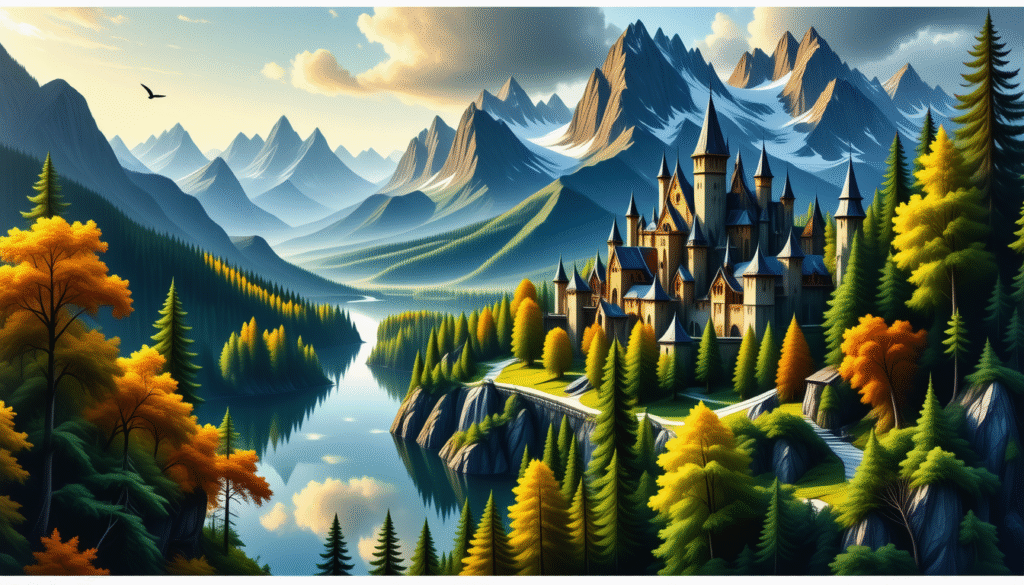
While Tolkien’s Middle-earth might seem a distant fantasy land, it draws heavily from real-world linguistic roots, English folklore, and historical epochs. The landscapes depicted — such as the pastoral Shire or the war-torn plains of Mordor — echo the English countryside and the harsh realities of England’s industrial past. This duality combines an idyllic nostalgia with biting social critique, making Middle-earth a mirror to our own world’s struggles and triumphs. Moreover, the commercial ecosystem surrounding Tolkien’s works, including the Noble Collection and Fantasy Flight Games, exemplifies how this realm transcends literature, morphing into a multidimensional experience.
The Rich Mythology and Linguistic Foundations of Middle-earth
At the heart of Tolkien’s magnum opus lies an intricate mythology inspired by ancient Germanic languages and mythological traditions. His background as a philologist specializing in Old English shaped how Middle-earth was constructed, instilling it with a depth and authenticity rarely seen in fantasy literature. The Elvish tongues, including Quenya and Sindarin, showcase Tolkien’s dedication to creating believable languages, complete with grammatical rules and a rich vocabulary, which enhanced the cultural realism of his invented races.
The narrative complexity spans multiple ages and stories, culminating in works like “The Silmarillion,” which presents the creation myths and early eras of Middle-earth, predating the events of “The Lord of the Rings.” This layered storytelling mirrors the epic nature of classical mythologies, offering a legendary history that operates on several levels. From the crafting of the Rings of Power to the tragic tales of the Noldorin Elves, Tolkien’s mythology combines moral allegories with thrilling adventure.
To better appreciate this mythology, consider these elements:
- Crafted Languages: Tolkien’s invented languages are not mere ciphers but living tongues that inform culture and identity within Middle-earth.
- Mythic Histories: Detailed genealogies and timelines, such as those found in “The Tale of Years,” lend realism and continuity to the fictional world.
- Symbolic Races: Elves, Dwarves, Hobbits, and Orcs each represent different facets of humanity, reflecting themes like harmony with nature, greed, innocence, and corruption.
- Religious and Moral Underpinnings: Tolkien infused Christian symbolism subtly into his narratives, promoting ideas of hope, sacrifice, and redemption.
This linguistic and mythological foundation differentiates Middle-earth from mere escapism, inviting readers into a complex universe where language shapes culture and history breathes life into legend.
The Enduring Impact of Tolkien’s Middle-earth on Popular Culture and Media
The influence of Tolkien’s dreams does not stop at the printed page. The monumental success of “The Lord of the Rings” and “The Hobbit” led to the creation of Peter Jackson’s film trilogy, which has grossed billions at the global box office, transforming the way fantasy is visualized on screen. The visual aspects owe much to the groundbreaking concept art by John Howe and Alan Lee, whose renderings continue to define public perceptions of Middle-earth regions and characters.
Moreover, the fandom surrounding Middle-earth remains vibrant and diverse. Organizations like the Tolkien Society and Forge of Fandom nurture communities that engage in fan fiction, elaborate artwork, and scholarly discussions. The proliferation of fan-driven media and merchandise by Middle-earth Enterprises, Sideshow Collectibles, and HarperCollins Publishers continually renews interest and expands the saga’s presence.
Beyond traditional media, the universe’s creatures and themes have become staples in various formats:
- Tabletop and Video Games: Fantasy Flight Games and other producers have introduced RPGs and interactive experiences that immerse players in Middle-earth’s lore.
- Music and Performance Arts: Symphonies like Johan de Meij’s “The Lord of the Rings” and various folk to metal bands reference Tolkien’s themes, weaving his narratives into melodies.
- Fan Films and Digital Content: Independent productions like “The Hunt for Gollum” demonstrate the creative engagement and passion of Tolkien’s followers despite official licensing restrictions.
- Tolkien Tourism: Locations such as the Hobbiton film set in New Zealand have turned into pilgrimage sites, blending fantasy with tangible exploration.
This cultural phenomenon surrounding Middle-earth transcends generations, proving the imaginative power of Tolkien’s world remains robust and adaptable in the increasingly digital and interconnected 2020s.
English History and Landscapes Reflected in Middle-earth’s Geography and Cultures
Middle-earth’s fictional geography is more than a backdrop for adventure; it is a carefully crafted map reflecting salient aspects of English history and terrain. Scholars have noted that regions like the Shire evoke the serene English countryside, characterized by lush green hills, farms, and close-knit communities reminiscent of early medieval England.
The Shire’s inhabitants, the Hobbits, embody English rural virtues — a predilection for simple pleasures, peace, and resistance to change. Their very name, a direct borrowing from Old English administrative terms, ties Tolkien’s invention to historical roots. The migration tales of the Hobbits recall the Anglo-Saxon settlement patterns, linking the fictional Stoors, Harfoots, and Fallohides to the historical Angles, Saxons, and Jutes respectively.
Further east lies the kingdom of Rohan, whose culture and language are drawn explicitly from Old English traditions. The Rohirrim, famed horse-lords of Middle-earth, reflect the heroic ethos found in Anglo-Saxon poetry like “Beowulf,” emphasizing courage, loyalty, and honor. Names like Théoden and Éored borrow directly from Old English lexicon, underscoring Tolkien’s scholarly intent to root his world in the linguistic past.
In stark contrast, Mordor and Isengard illustrate the consequences of unchecked industrial progress. These regions symbolize the environmental destruction and mechanization that Tolkien personally abhorred, a concern that resonates today amid ongoing debates about climate change and sustainability.
- Shire: Represents idyllic rural England, pastoral, community-oriented, and rooted in tradition.
- Rohan: Embodies Anglo-Saxon values — honor, bravery, and equestrian culture.
- Mordor and Isengard: Reflect industrialization’s dark side, ecological degradation, and loss of harmony with nature.
This layered geography serves as both homage and critique, demonstrating Tolkien’s ability to blend myth, history, and social commentary into his world-building.
The Flourishing of Artistic Interpretations in the Wake of Tolkien’s Legacy
As Tolkien’s texts evoke vivid images of Middle-earth, artists across generations have striven to capture the essence of his universe. Though Tolkien had his preferences — admiring works by Cor Blok and Ted Nasmith while disliking others — the posthumous explosion of Tolkien art showcases the immense diversity of styles and media through which Middle-earth is imagined globally.
From neoclassical oil paintings by Donato Giancola to Russian Orthodox icon-style renditions by Sergey Yuhimov, and from intricate scraperboard art by Alexander Korotich to evocative woodcuts by Queen Margrethe II of Denmark, artistic expression provides continuous reinterpretations of Tolkien’s characters and landscapes. This rich visual heritage forms a vital part of the broader Tolkien fandom.
Artistic communities often operate through digital platforms dedicated to Tolkien fandom such as TheOneRing.net and Forge of Fandom, where fan art incites debates, fandom theory discussions, and creative collaborations. The awarding of accolades by the Tolkien Society highlights the significance of visual storytelling in keeping Tolkien’s mythos fresh and accessible.
- Varied Art Forms: Oil painting, woodcut, scraperboard, digital art, and more.
- Influential Artists: John Howe, Alan Lee, Ted Nasmith, Donato Giancola.
- Online Fan Communities: Catalysts for sharing and critiquing artistic renditions.
- Official Collaborations: Weta Workshop’s conceptual designs that nourish film productions and memorabilia.
The multiplicity of artistic voices mirrors the multifaceted nature of Middle-earth’s lore, underscoring the continuous dialogue between text, image, and fan creativity.
From Myth to Market: The Commercial Expansion of Middle-earth Fandom
The commercial dimension of Tolkien’s universe has developed into a sophisticated industry involving licensing, merchandise, and interactive experiences. Middle-earth Enterprises holds the rights to produce official adaptations and merchandise, collaborating closely with entities like HarperCollins Publishers, Weta Workshop, Fantasy Flight Games, and Sideshow Collectibles. This network ensures that every aspect of Tolkien’s world can be enjoyed from bookshelves to gaming tables, and from exquisite collectible figurines to immersive cinematic experiences.
Entwined with this commercialization is a thriving community of fans who create and consume content across various formats. Online fan sites, including TheOneRing.net, act as hubs for discussion, events such as Tolkienmoot foster real-world connections, and licensed products by the Noble Collection provide tangible ways to appreciate the lore. This symbiosis between commerce and fandom sustains Middle-earth’s relevance and accessibility.
Key components of this commercial ecosystem include:
- Books and Publishing: HarperCollins continues to release editions and expansions of Tolkien’s texts.
- Films and Special Effects: Weta Workshop delivers the visual magic behind cinematic adaptations.
- Gaming: Fantasy Flight Games produces board games and RPGs that immerse players in Middle-earth.
- Collectibles and Memorabilia: Noble Collection and Sideshow Collectibles create high-quality replicas and statues cherished by fans.
Through these platforms, fans in 2025 and beyond experience Tolkien’s masterpiece not only as literary heritage but as a dynamic, living culture embedded in multiple facets of entertainment and artistic expression.