The Finnish sauna stands as a vibrant emblem of Finland’s cultural tapestry, radiating warmth far beyond its physical confines. Far from being a mere method of relaxation, the sauna represents a sacred ritual deeply entwined with the Finnish identity. This age-old tradition, honored by UNESCO as an intangible cultural heritage, offers a unique escape from the pressures of modern life through a blend of heat, steam, and communal bonding. In 2025, the sauna remains as prominent in Finnish households and urban apartments as ever, adapting to contemporary tastes while preserving its roots. The typical Finn enjoys sauna bathing weekly, often observing time-honored customs that have survived centuries, from smoke sauna ceremonies to the invigorating ice swimming ritual that follows a session.
Saunas are prolific across Finland with almost three million installations nationwide, showcasing the custom’s pervasiveness. These range from rustic smoke saunas nestled in forested summer cabins to sleek, architect-designed urban retreats heated by modern electric stoves from renowned brands like Harvia and Finnleo. The diversity of sauna styles accessible today ensures that every enthusiast — whether a devout traditionalist or a casual city dweller — can find a perfect match. Beyond physical relaxation, the sauna reflects Finnish values of cleanliness, calm, and social cohesion, bridging generations and communities under one warm roof.
Roots and Evolution of Finnish Sauna Culture
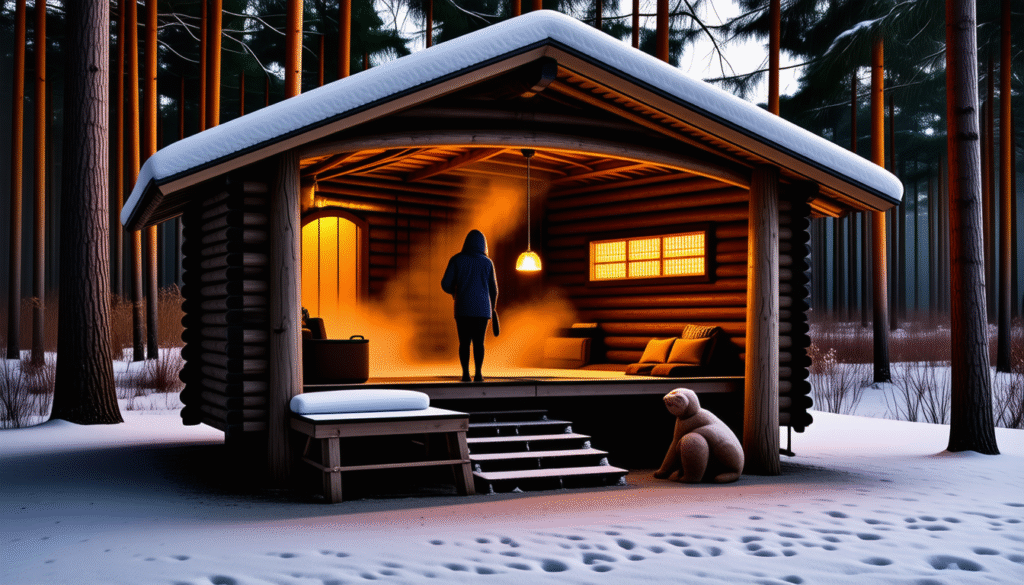
The sauna is not merely a recreational fixture; it is a cornerstone of Finland’s heritage with origins stretching back over two millennia. Early Finnish dwellers lived in smokehouses that functioned both as homes and primitive saunas. The smoke sauna, or savusauna, remains the epitome of traditional sauna craftsmanship, distinguished by its large wood-fired stone stoves lacking chimneys, filling the room with a thick, comforting haze of soot and heat. This archaic method demands considerable effort, typically involving a two-hour preparation where the stones are heated and the smoke is allowed to clear before bathing can begin.
Todays’ Finnish saunas are largely variations of this foundational design. Wood-heated saunas, such as those made by Almost Heaven Saunas or Nordic Sauna, emulate the classic experience but incorporate improved efficiencies and insulation. Electric stoves from brands like Tylo and Helo facilitate city living by providing a quicker, easier heat source without the smoke or charcoal residue. This proliferation includes saunas in private homes, corporate buildings where business discussions sometimes take place on benches, and increasingly popular public facilities.
Aside from the practical and spiritual aspects, sauna culture plays into significant life events; it is traditional, for example, for new babies to have their first moments in a sauna, and historically, saunas were places of cleansing before burial rites. This multifaceted role demonstrates the sauna’s place not just in leisure, but also in social rites and health. The sheer ubiquity of saunas—estimated to be nearly one for every two people—attests to its absolute integration in Finnish life.
- Smoke sauna preparation: Requires patience and skill, involves heating stones for hours.
- Modern wood-heated saunas: Balanced tradition and convenience, often using Harvia stoves.
- Electric Saunas: Quick, clean heat ideal for urban homes, supplied by Finnleo and Tylo.
- Social and cultural significance: Central to Finnish rites including birth and festive gatherings.
- Sauna ubiquity: Present in private homes, corporate offices, public swimming pools, and hotels.
Proper Sauna Etiquette and Customs for First-Timers
Venturing into a Finnish sauna for the first time might feel like stepping into an enigmatic but inviting tradition. Core to the experience is respect for sauna etiquette, designed to preserve harmony and comfort. One fundamental rule dictates showering before entering, ensuring the space’s cleanliness. Nudity is traditional and often preferred inside private saunas, but this varies with context; in urban public saunas, swimwear or towels are common and sometimes mandated, especially in mixed-gender settings.
The temperature sits typically between 70° and 100°C (158°F to 212°F), with higher benches offering a drastically warmer experience, a built-in sauna thermostat of sorts. The heat is often elevated by ladling water over heated rocks, producing “löyly,” the cherished burst of steam that dramatically changes the atmosphere. However, throwing water onto the rocks is generally reserved for those seated in the hottest spots to avoid rapid heat increase for all patrons.
Finns associate the sauna with a strictly asexual environment, emphasizing mental and physical purification rather than flirtation or leisure in a sexual context. Banter is generally subdued, with the sauna offering a space for meaningful conversations or peaceful silence. Many Finns enjoy a cyclical ritual involving short stints in the sauna followed by cooling off in icy lakes, snowy grounds, or simply fresh air — a practice thought to enhance cardiovascular health.
- Pre-sauna showering: Essential for hygiene and preparation.
- Nudity or towels: Context-dependent; more private saunas favor nudity.
- Control of heat: High benches are hotter; only those on upper benches should pour water on stones.
- Respect for silence: Sauna is a place for calm, not loud talking or sexual innuendo.
- Cooling rituals: Includes cold-water plunges or snow rolls to invigorate after heat exposure.
Novices might also encounter the traditional practice of using birch whisks (vihta or vasta) to gently beat the skin, stimulating circulation and enhancing the sweating process. These birch bundles are specially cherished and should not be harvested without permission if on private land—a testament to the Finns’ respect for nature intertwined with their sauna rituals.
Top Destinations to Experience Authentic Finnish Saunas in 2025
The city of Tampere boasts the title of the sauna capital of the world, featuring Rajaportti, the oldest public sauna dating back to 1906. Its rustic ambiance and scorching temperatures offer an intense experience for brave visitors. On the opposite spectrum, one finds Sauna Restaurant Kuuma, which combines a scenic riverside location with family-friendly facilities requiring swimwear, an ideal introduction for newcomers.
In Helsinki, the historic Kotiharju Sauna offers a nostalgic glimpse into working-class sauna traditions, while the architecturally elegant Löyly provides wood-fired steam and a smoke sauna along the Baltic waters, with mixed-gender swimwear lounges catering to a younger crowd and tourists. For the truly adventurous, Sompasauna’s 24/7 self-service model is a community gem that invites patrons to take charge of their own fire-building and heating routines in a playful yet authentic setting.
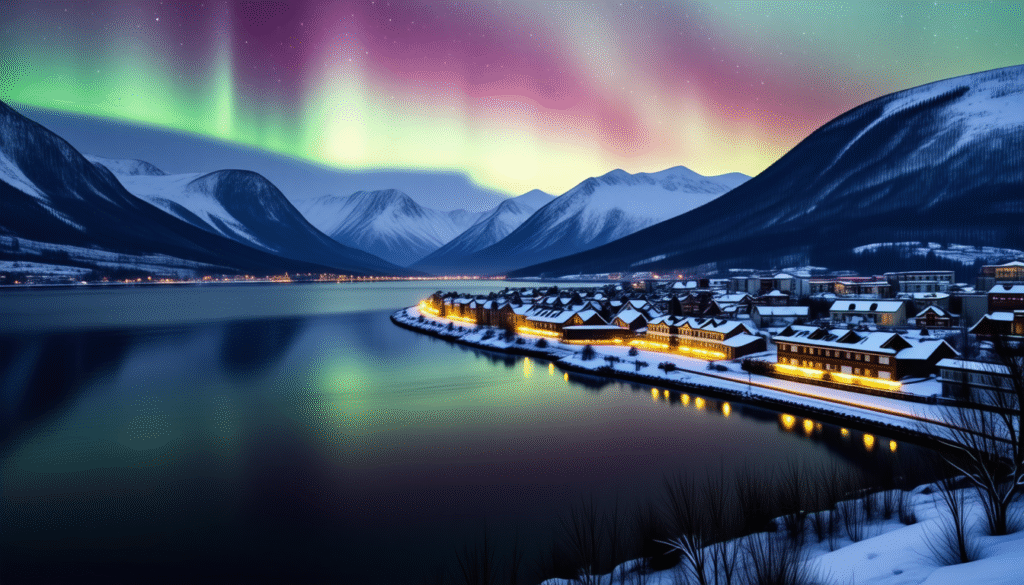
The northern reaches of Lapland present an entirely different sauna ambiance. The Kiilopää smoke sauna near Saariselkä, nestled by a crystal-clear stream, invites guests to enjoy a cooling dip after intense heating, even under the mystical northern lights or during the summer midnight sun. Arctic Sauna World further west near Muonio offers five unique sauna experiences, complemented by lake swims and accompanied by rustic accommodation options such as glamping tents and cottages.
- Rajaportti Sauna (Tampere): Europe’s oldest public sauna with intense heat.
- Kotiharju Sauna (Helsinki): Historic urban sauna retaining traditional ambience.
- Löyly (Helsinki): Modern, design-focused sauna with smoke sauna and wood stoves by Harvia.
- Sompasauna (Helsinki): Free, community-driven, 24/7 self-service sauna.
- Kiilopää Smoke Sauna (Lapland): Traditional smoke sauna near icy stream for cooling off.
- Arctic Sauna World (Muonio): Diverse sauna types with lake access for refreshing dips.
Types of Finnish Saunas and Their Unique Characteristics
The spectrum of Finnish saunas presents various options, each offering its own sensory and cultural experience. Fundamentally, three main types dominate the landscape, as recognized by the Finnish Sauna Society: wood-heated, smoke, and electric saunas. Almost Heaven Saunas and Scandia manufacture excellent wood-burning options prized for authentic ambiance. Smoke saunas, the oldest variant, require significant preparation but reward with unparalleled, gentle steam environments, often charted in northern resorts and traditional lodges.
In contrast, electric saunas, which are widely found in urban apartments, offices, and hotels, provide efficient, low-maintenance heat. Brands like Saunatec, KLAFS, Sunlighten, and Finnleo have innovated on electric stove designs to ensure consistent temperature control and modern appeal without sacrificing the quintessential sauna atmosphere. These saunas often come equipped with automatic humidity timers and temperature regulators for those who appreciate precision in their relaxation routines.
Another defining feature involves the control of humidity. Finnish saunas generally have moderate dryness, setting them apart from steam rooms elsewhere. When seasoned sauna-goers ladle water on the hot stones to create löyly, the resulting steam momentarily raises humidity, enriching the heat’s impact. This interplay between wet and dry heat is central to the therapeutic effect and social dialogue that defines Finnish sauna bathing.
- Wood-heated saunas: Classic, aromatic, and reliant on brands like Harvia and Scandia.
- Smoke saunas (Savusauna): Rare, time-intensive but cherished for unique ambiance.
- Electric saunas: Convenient for urban use; innovations by Saunatec, KLAFS, Finnleo.
- Humidity control: Water ladling on stones creates ‘löyly’, the soul of a sauna experience.
- Temperature range: Usually between 70 and 100°C, with individual preference dictating comfort.