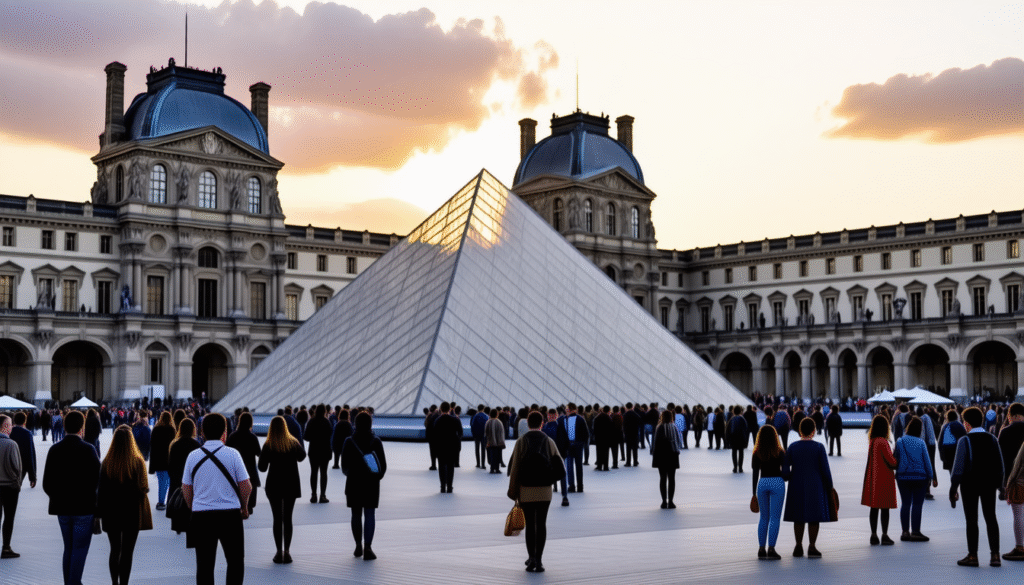
Europe is a continent brimming with culture, history, and art, hosting some of the world’s most impressive museums that attract millions of visitors annually. These institutions aren’t just repositories of artifacts; they are vibrant spaces where stories unfold, revealing the complexities of human civilization and creativity. Among these illustrious cultural landmarks stands the Louvre Museum, a beacon for art lovers and history enthusiasts from all corners of the globe. Recognized for its unparalleled collection and sheer size, the Louvre consistently tops the list as Europe’s most visited museum, drawing in more visitors each year than any other. Yet, Europe’s museum scene is far from one-dimensional. From London’s British Museum, famous for its global artifacts, to the Vatican Museums in Rome with their breathtaking artistry, to the dynamic contemporary art at London’s Tate Modern, the continent offers a kaleidoscope of experiences catering to diverse interests.
The immense popularity of these museums reflects both their extraordinary collections and their roles as cultural hubs. Locations such as the Musee d’Orsay in Paris and the Prado Museum in Madrid provide not only art but also insights into specific periods of European history and culture. Meanwhile, museums like the Natural History Museum in London combine scientific inquiry with educational opportunities, making them favorite destinations for families and scholars alike. The Acropolis Museum in Athens offers a tangible connection to ancient civilizations that laid the groundwork for Western culture. All these institutions contribute uniquely to Europe’s rich tapestry of heritage, warranting their place in any cultural itinerary.
Accessibility and the integration of innovative visitor experiences have also bolstered attendance. Many museums now incorporate digital guides, interactive exhibits, and streamlined ticket purchasing to accommodate the increasing flow of tourists. These developments ensure that exploring Europe’s museums remains engaging and manageable, even when faced with the crowds drawn by masterpieces like da Vinci’s Mona Lisa or the Rosetta Stone. As 2025 unfolds, the continent continues to celebrate its past while embracing new ways to present history and art to the public, reinforcing the standing of Europe’s museums on the global cultural stage.
Unveiling the Louvre Museum: Europe’s Pinnacle of Artistic Heritage
Dominating the cultural landscape of Paris, the Louvre Museum stands as Europe’s crown jewel in terms of visitor numbers, attracting over 10 million people annually. Originally a royal palace, the Louvre’s transformation into a public museum began during the French Revolution, heralding a new era of art accessibility. Its 782,910 square feet of exhibition space host a staggering collection exceeding 35,000 artworks, ranging from prehistoric artifacts to contemporary pieces.
Visitors can immerse themselves in a vast array of masterpieces, including the enigmatic Mona Lisa by Leonardo da Vinci and the imposing Venus de Milo. Beyond the Treasury of art, the Louvre encompasses collections of Egyptian antiquities, Islamic art, and Renaissance paintings. What makes the Louvre particularly exceptional is not just its size or the fame of its holdings, but its ability to weave diverse cultural narratives into a cohesive visitor experience.
However, popularity comes with challenges. The museum’s immense footfall often results in long queues, especially in the warmer months. To counter this, the museum promotes online advance bookings and offers fast-track tickets. This ensures smoother access and enhances the visitor experience. Additionally, its ongoing renovation projects aim to modernize visitor amenities and extend exhibit areas without compromising its historic architecture.
- Explore the Denon Wing to view da Vinci’s masterpieces.
- Visit the Sully Wing for antiquities and medieval art.
- Discover the Richelieu Wing’s sculptures and decorative arts.
- Take advantage of guided tours, especially for first-time visitors.
- Attend temporary exhibitions showcasing lesser-known pieces.
The Louvre’s magnetic appeal lies in its blend of extraordinary art, history, and grandeur. Every corridor tells a story, inviting visitors to traverse centuries and continents within a single building.
The British Museum: Europe’s Global Treasure Chest of Civilization
In the heart of London, the British Museum holds a cherished place as a cultural titan that draws over 6 million visitors annually. Established in 1753, it was the first national public museum in the world, embodying the spirit of the Enlightenment and global curiosity. Its collections cover every continent and span millennia, presenting an unparalleled panorama of human history.
A visit to the British Museum is to embark on a journey through time and geography. The famed Rosetta Stone offers a key to understanding ancient languages, while the extensive Egyptian collection reveals the mystique of pharaohs and deserts. The museum’s Oceania and African galleries introduce visitors to diverse cultures and artistic traditions beyond Europe, emphasizing the interconnectedness of human societies.
One of the museum’s remarkable features is its distinctive architecture, including the grand Great Court crowned with a spectacular glass roof that floods the space with natural light. Entry to the museum’s permanent collections remains free, allowing tourists and locals alike to revel in the wealth on offer without hesitation.
- Discover the Elgin Marbles from the Parthenon’s illustrious history.
- Explore the Assyrian lion hunt reliefs showcasing Mesopotamian art.
- Navigate through the Enlightenment Gallery presenting the history of knowledge.
- Attend temporary exhibitions featuring world-class loans and thematic displays.
- Utilize interactive digital guides to deepen your understanding of exhibits.
With its vast and diverse collection, the British Museum offers an extraordinary educational journey, highlighting the evolution of civilizations and their artistic expressions across continents.
Exploring the Vatican Museums: Europe’s Sanctuary of Spiritual and Artistic Wonders
Tucked within the tiny sovereign state of the Vatican City, the Vatican Museums are a treasure trove of art that spans millennia, attracting some 6 million visitors each year. These museums hold one of the most important collections of religious and secular art in the world.
The Vatican Museums encompass numerous galleries, chapels, and exhibition spaces, including the renowned Sistine Chapel, home to Michelangelo’s iconic ceiling frescoes. Additionally, the collection of classical sculptures, masterpieces of Renaissance painting, and ancient artifacts present a comprehensive view of European cultural and religious history.
Visitors are advised to carefully plan their tours on the Vatican Museums’ official website, focusing on the highlights suited to their interests, given the sheer scale of the displays. Early morning or late afternoon visits tend to offer a less crowded environment, allowing a more contemplative experience.
- Marvel at the Raphael Rooms with their detailed frescoes.
- Stroll through the Gallery of Maps showcasing historical cartography.
- Witness the extraordinary collection of religious relics and tapestries.
- Explore the Gregorian Egyptian Museum for ancient Egyptian artifacts.
- Pre-book tickets online to bypass lengthy queues and save time.
The Vatican Museums function not only as preservers of sacred art but also as testimony to the Catholic Church’s historic role in fostering art and knowledge throughout Europe.
Tate Modern and Contemporary Art: London’s Vibrant Hub for Modern Creativity
London’s Tate Modern redefines the museum experience with its extensive collection of international contemporary art and dynamic exhibitions. Located in the former Bankside Power Station, this museum merges industrial heritage with cutting-edge creativity, welcoming over 6 million visitors annually.
Unlike traditional galleries focused on classical art, Tate Modern features an evolving program showcasing painters, sculptors, and multimedia artists who challenge conventions. It manages to appeal to passionate art aficionados and casual visitors alike, thanks to its accessible layout and educational initiatives.
Visitors can observe works by renowned figures such as Damien Hirst and Yayoi Kusama, as well as emerging artists influencing the 21st-century art scene. The museum’s café, perched on the top floor, offers panoramic views of the River Thames and the city skyline, creating a perfect pause for reflection.
- Explore the Turbine Hall’s large-scale installations and performances.
- Attend temporary exhibitions that rotate seasonally.
- Participate in workshops designed for families and art students.
- Access free general admission to permanent collections.
- Grab insights through virtual tours and online resources.
The Tate Modern embodies the spirit of contemporary artistic innovation, fostering dialogue between art, society, and global trends in an inspiring urban setting.
Unearthing Europe’s Hidden Gems: Acropolis Museum and Beyond
While iconic institutions dominate the cultural conversation, Europe’s lesser-known museums offer equally compelling experiences that plunge visitors into specific historical epochs and regional cultures. The Acropolis Museum in Athens is a perfect example, showcasing artefacts that reveal the cradle of Western civilization.
Situated at the foot of the Acropolis Hill, the museum allows visitors to view ancient ruins beneath transparent floors, connecting the past directly with the present. Its thoughtfully curated exhibits highlight the evolution of Greek art, politics, and society from the Neolithic period to classical antiquity.
Exploring smaller museums such as the Natural History Museum London, which combines scientific discovery with immersive displays, or the Centre Pompidou in Paris, celebrated for its radical architectural design and modern art collections, offers alternative perspectives on cultural heritage. These spaces often attract visitors eager to experience art and history through fresh lenses and engaging narratives.
- Discover the continuous archaeological discoveries integrated into the Acropolis Museum.
- Visit the Natural History Museum London for exhibitions on dinosaurs and human evolution.
- Experience the avant-garde artworks at the Centre Pompidou’s vast collection.
- Explore the Rijksmuseum’s exquisite Dutch Golden Age paintings in Amsterdam.
- Enjoy guided tours, workshops, and temporary exhibits at these varied museums.
Such museums enrich the European cultural landscape by embedding local stories within the broader historical dialogue, ensuring every museum visit offers depth, learning, and inspiration.
Those keen on unraveling Europe’s artistic and historical wealth further can benefit greatly from curated video guides, which provide contextual background and practical tips for navigating these cultural temples.