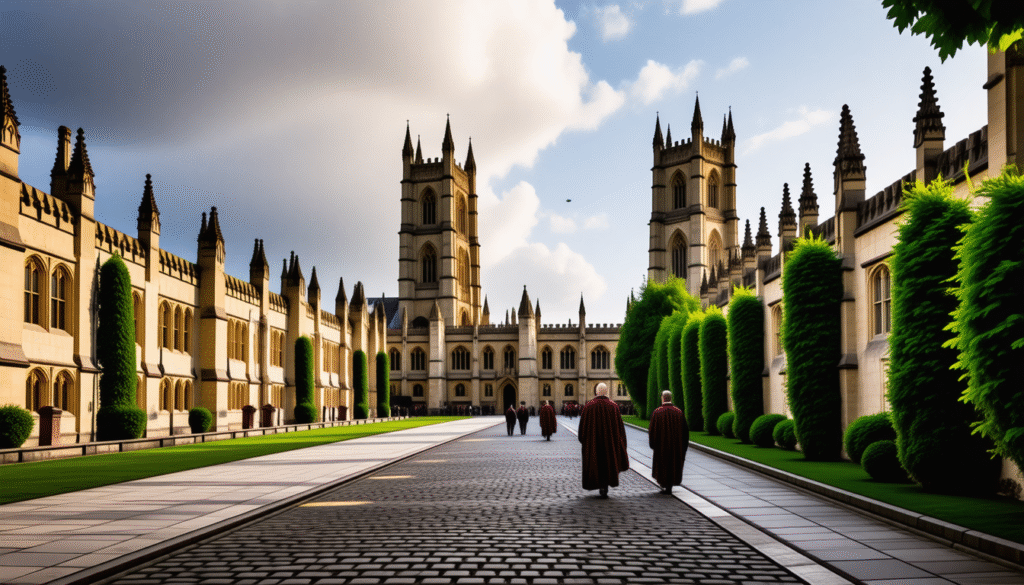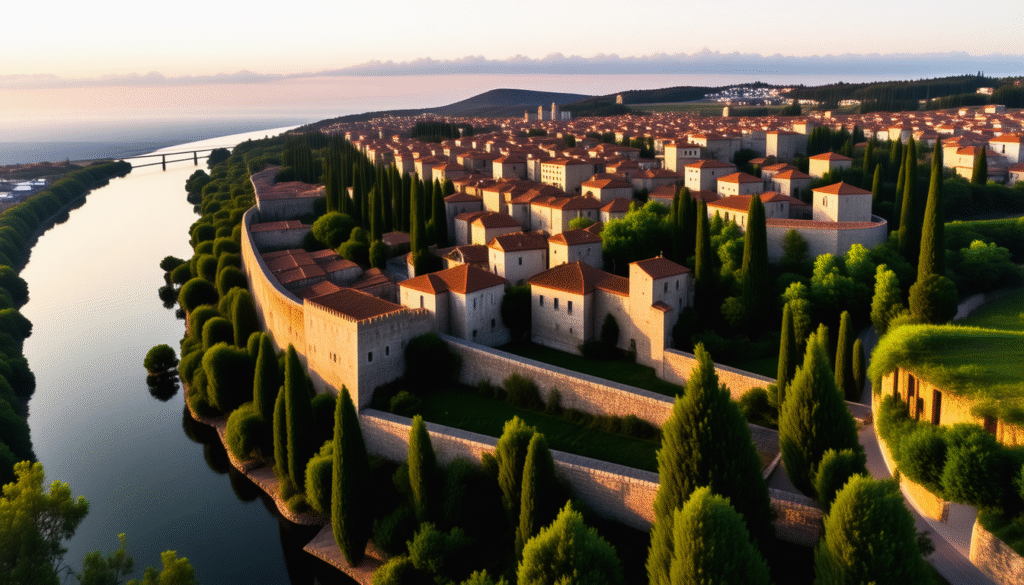
The tapestry of Ancient Europa is woven with cities whose cobblestone streets echo with whispers of millennia. Among the many urban gems dotting the continent’s landscape, the title of the oldest city in Europe carries a weighty legacy, entwined with the evolution of human civilization itself. These primeval cities are more than just places on a map; they are custodians of timeless heritage, bearing witness to epochs of conquest, culture, and continuity. From the foundation era of settlements that sprouted from rugged terrains to the historic core that has nurtured countless generations, these cities offer a glimpse into Europa origins, where the oldest roots of urban life and social organization took hold.
Exploring the oldest city in Europe is not merely an archaeological expedition but a journey through legacy streets that link the present with an antiqua Europe, a past so distant yet palpably present in its architectural remains and cultural imprints. In the race to crown the primeval city, several contenders vie for honor, each boasting unparalleled histories. For aficionados of history and culture, understanding the nuances that distinguish these ancient metropolises is crucial to fully appreciating their impact on the continent’s development. Their uninterrupted habitation and transformation across centuries provide rich narratives, far from static relics; instead, they are living museums celebrating the human capacity for resilience and adaptation.
Poliochni and the Dawn of European Urbanization: The Foundation Era of Civilization
Sitting on the idyllic island of Lemnos, the archaeological site of Poliochni emerges as a strong contender for the epitome of Europe’s oldest city. Dated back to the Early Bronze Age circa 4000 BCE, Poliochni unveils one of the continent’s earliest urban fabrics, offering invaluable insight into the genesis of communal living. The meticulously excavated layers reveal a city with complex social structures, early democratic principles, and advanced craftsmanship, far predating many Mediterranean neighbors.
Poliochni’s significance lies in its embodiment of the foundation era, a period when human society transitioned from scattered rural settlements to interconnected urban communities. Excavations have uncovered a grid-like street layout and multiroom homes, suggesting deliberate urban planning—a fascinating glimpse into prehistoric town governance. The city’s strategic placement underscores its role as a hub for trade and cultural exchange between Anatolia and mainland Europe, highlighting Europa origins in practical commerce and political alliances.
Among the standout features are artifacts demonstrating advanced metallurgy and pottery, signifying an economy diversified beyond subsistence agriculture. This paints a picture of a sophisticated society thriving on specialization and trade—a hallmark of any lasting civilization. The discovery of communal buildings and possible council chambers presents an early iteration of collaborative governance, often referred to as a whisper of democracy, hinting at policies that balanced individual rights with collective needs.
- Early urban planning: Grid-like streets and housing clusters mark sophisticated societal organization.
- Economic diversification: Metallurgy and craft production evidence an advanced economic system.
- Political structure: Emergence of proto-democratic elements through communal decision-making spaces.
- Trade networks: Geographic position connected Poliochni to wider Mediterranean economic circuits.
- Cultural innovation: Artistic styles and architectural techniques influencing surrounding regions.
In essence, Poliochni’s discovery reshapes the understanding of the oldest roots of urban life in Europe, distinctly marking its role in the Early Bronze Age’s burgeoning complexity. It sets a foundational precedent upon which subsequent cities built their legacy streets and evolving social models.
Plovdiv: A Vibrant Tapestry of Continuity in the Historic Core
The debate over the oldest city often circles back to Plovdiv, Bulgaria’s cultural gem that boasts an extraordinary record of continuous habitation spanning over 8,000 years, dating back to at least 6000 BCE. This depth of occupancy cements its status as a prime candidate for Europe’s oldest city, cherished not only for its ancient pedigree but also for its seamless integration into the modern era, making it a dynamic repository of the continent’s timeless heritage.
Plovdiv, often referred to as an eternal city of the Balkans, presents a historic core where relics from Thracian, Roman, Byzantine, and Ottoman times converge. Walking through its old town, visitors encounter a kaleidoscope of architectural styles, each layer adding dimension to the city’s identity. The Roman theater, remarkably well-preserved, serves as a living reminder of its imperial past, where citizens gathered for entertainment and political discourse—symbols of societal complexity and cultural flourishing.
This city’s primal charm lies in its uninterrupted occupation, underscoring resilience amid invasions, cultural shifts, and economic changes. Plovdiv’s evolution from a Neolithic settlement to a Roman urban center, and later a bustling Byzantine stronghold, outlines a unique narrative of adaptability. It exemplifies how human settlements transformed to meet shifting demands without severing ties to their past—cementing the concept of Antiqua Europe through tangible continuity.
- Continuity of habitation: Over 8,000 years of unbroken settlement showcasing human endurance.
- Multilayered history: Thracian, Roman, Byzantine, and Ottoman influences intertwine.
- Architectural heritage: Well-preserved Roman theater and charming historical districts.
- Cultural vibrancy: Festivals, museums, and modern uses still honor ancient traditions.
- Economic evolution: From Neolithic roots to modern industry and tourism.
Today, Plovdiv stands as an exceptional example of how the historic core of an ancient city can coexist with contemporary life, embodying the legacy streets concept where every cobble tells a story. It’s not merely a relic but a fertile ground where history and modernity fuse, inviting exploration into Europa origins through a living landscape.
Matera: Europe’s Primeval City Sculpted in Stone
Nestled in the southern Italian region of Basilicata, Matera claims distinction as Europe’s oldest continuously inhabited city, with origins tracing back to approximately 7,000 BCE. Lauded for its extraordinary cave dwellings known as the Sassi, Matera is a unique urban phenomenon where human ingenuity defied the challenges of topography by carving homes, churches, and streets directly into limestone cliffs. This architectural marvel encapsulates the essence of a primeval city, preserving a remarkable legacy of human adaptation.
The city’s stratified urban fabric paints a vivid portrait of human settlement over millennia. Unlike typical surface-bound cities, Matera’s foundation era is literal—its very essence engraving history into the earth’s surface. The Sassi district illustrates innovative responses to environmental constraints, showcasing a lifestyle that harmonized shelter, community, and the natural environment in an extraordinary way that has fascinated architects and anthropologists alike.
Not merely a fossilized site, Matera continues to be culturally active, blending ancient traditions with contemporary artistic movements. Its designation as a European Capital of Culture in 2019 elevated its profile, spotlighting its capacity to bridge past and present, therefore embodying the eternal city spirit in a distinct form. Matera’s survival through the vicissitudes of history underlines the city’s resilience and highlights the layers of civilization that define Antiqua Europe.
- Cave architecture: Unique residences carved into rock illustrating human adaptability.
- Continuous habitation: Around 9,000 years of human presence in an extraordinary setting.
- Cultural preservation: Sustained rituals, crafts, and traditions maintained through generations.
- Modern revitalization: Integration of ancient heritage and contemporary cultural development.
- UNESCO World Heritage Site: Recognition emphasizing global importance of historic core.
Matera’s legacy streets and rock-carved alleys remain prime examples of how urban existence can intertwine with geological and cultural elements, making it a remarkable symbol of Europa’s oldest roots—an enduring testament to the ingenuity and persistence of human civilization.
Athens and the Cradle of Western Civilization: An Eternal City’s Legacy Streets
Often dubbed the cornerstone of Western civilization, Athens’ lineage stretches back to around 3000 BCE, with evidence of human activity dating even further into the millennia before. This city represents a pivotal chapter in ancient Europe’s story—a locus where philosophy, democracy, and architectural innovation converged to shape the continent’s cultural DNA. Athens’ historic core is a vivid reminder of its foundational contributions to governance, arts, and science, all of which continue to influence modern society.
The Acropolis, soaring above modern Athens, is more than an archaeological treasure; it encapsulates the city’s symbolic and practical significance during its foundation era. The Parthenon and other structures illustrate an architectural language of power and piety, reflecting the city-state’s social structures and cultural identity. Athens’ pioneering ideas about democracy, judicial fairness, and civic participation stem from this period, earning it a place as a true eternal city with a legacy streets that link past intellectual innovation to contemporary political thought.
The city’s complexity expanded during Classical Greece, hosting poets, philosophers, and strategists whose legacies endure in global education and governance. Athens was also a vital hub in trade networks spanning the Mediterranean, underlining its economic vitality alongside cultural preeminence. Preservation of these cultural milestones ensures Athens remains a living museum showcasing the evolution of Antiqua Europe in all its splendor.
- Democratic innovation: Origin of participatory governance and legal systems.
- Architectural marvels: Acropolis, Parthenon, and other symbolic monuments.
- Cultural epicenter: Birthplace of Western philosophy, theater, and arts.
- Trade and economy: Thriving mercantile networks supporting urban growth.
- Continuity and influence: Enduring impact on modern political and cultural systems.
In its totality, Athens epitomizes the blend of primeval city foundations with the evolution of ideas that compose the fabric of ancient Europa’s lasting influence. Its streets continue to pulse with this legacy, inviting reflection on the origins of democratic governance and cultural expression.
Exploring Lesser-Known Ancient Treasures: Strofilas and Chania in the Context of Antiqua Europe
While widely known cities dominate discussions on Europe’s oldest settlements, lesser-known sites like Strofilas on Andros Island and Chania in Crete offer equally fascinating windows into prehistoric urban life. These locales challenge the conventional narratives by revealing diverse pathways through which ancient urbanization and cultural development arose within the continent’s historic core.
Strofilas, dating between 4500 and 3200 BCE, is recognized as the largest Late Neolithic settlement in the Aegean, representing an exquisite example of early urbanization processes. Discovered nearly intact, its layout reveals defensive features, communal spaces, and intricate architecture, underscoring sophisticated social dynamics for its time. Such discoveries underscore the varied tapestry of Europa origins beyond the familiar capitals—extending the narrative of the oldest roots across different contexts and geographies.
Similarly, Chania, inhabited since approximately 1700 BCE, embodies the Mediterranean’s enduring legacy streets through its continuous use and cultural persistence from the Minoan era onward. The city’s evolution from a Minoan city-state to a vibrant trade center exemplifies how ancient settlements adapted to geopolitical and economic shifts, contributing to a multi-layered Antiqua Europe heritage.
- Strofilas: Largest Late Neolithic settlement with evidence of early fortifications and civic planning.
- Chania: Continuous habitation since Minoan times, a testament to long-term urban resilience.
- Early defensive architecture: Protective walls and communal spaces illustrating social organization.
- Economic roles: Minoan trade networks linking Crete with broader Mediterranean commerce.
- Cultural continuity: Preservation of traditions amidst waves of external influences.
These cities highlight the rich diversity within Europe’s oldest settlements, emphasizing that the legacy streets and historic cores of ancient Europa are not confined to a handful of names. Instead, they weave a complex portrait of a continent built on varied cultural foundations, each contributing uniquely to the overarching narrative of human civilization’s dawn and enduring vitality.