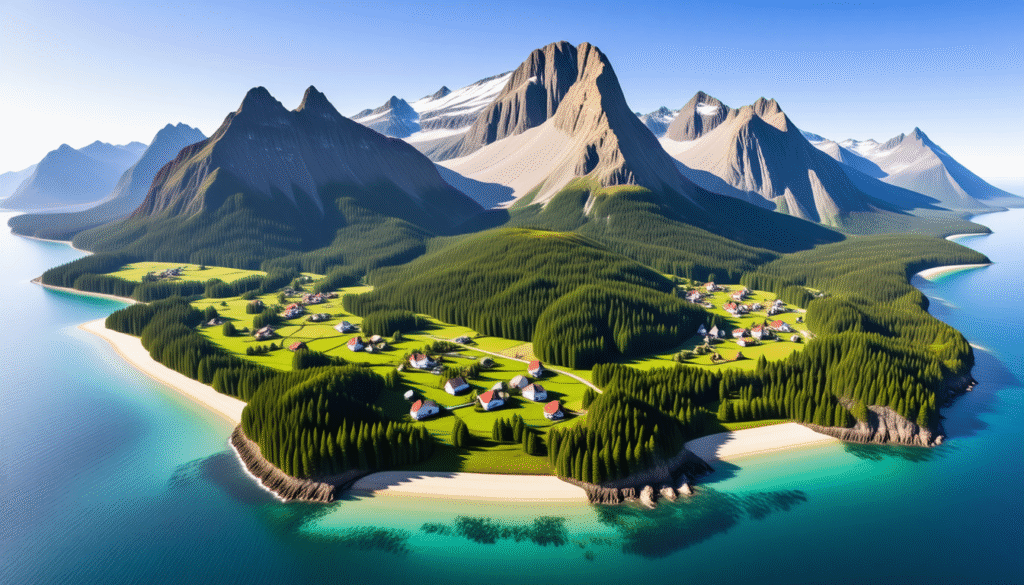
Europe, a continent celebrated for its rich tapestry of cultures and landscapes, is also a haven for some of the most remarkable islands. Among these land masses surrounded entirely by water, one claims the title of the largest—the colossal Great Britain. Stretching over a vast 93,627.8 square miles, this island is not only a geographical marvel but also a cultural mosaic comprising England, Scotland, and Wales. Each nation within the island paints its own unique portrait, with England dominating in size, spanning approximately 50,301 square miles, while Wales adorns the island with its quaint 8,005.8 square miles of rugged beauty.
The story of Europe’s largest island extends beyond mere measurements. It encompasses the dynamic interplay of history, nature, and modernity. Whether you are captivated by the mysterious allure of the Scottish Highlands, the historic depths of England’s cities, or the rolling green hills of Wales, Great Britain offers a microcosm of diverse environments and stories that have shaped a continent.
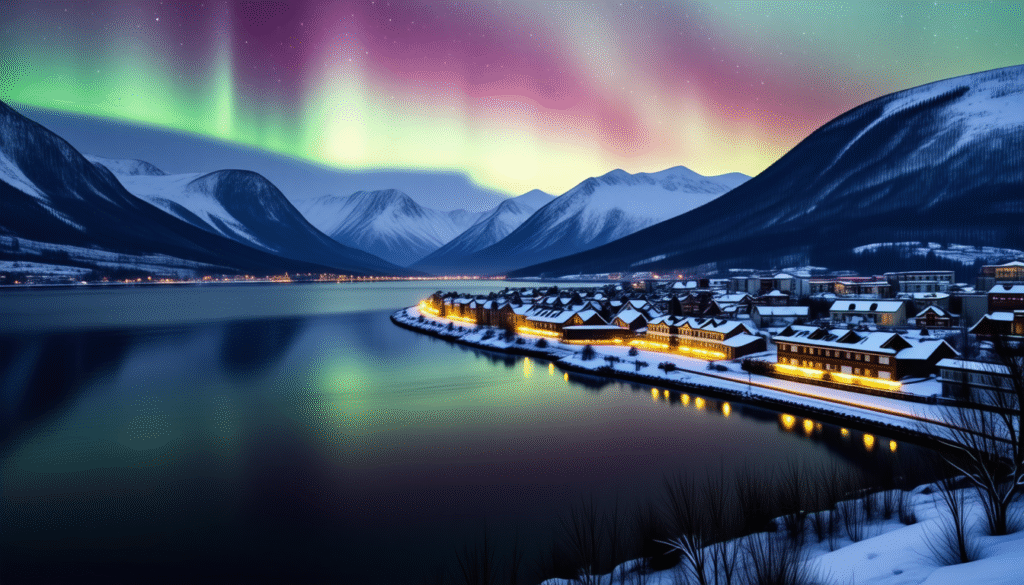
Yet, the narrative of Europe’s greatest islands would be incomplete without mention of the frosty Iceland, with its dramatic volcanic landscapes and shimmering glaciers covering approximately 103,000 square kilometers. Not far behind is Ireland, a land steeped in legends and emerald pastures, sharing an area of about 84,421 square kilometers. These islands alongside others such as Severny Island in Russia or Italy’s sun-kissed Sicily, contribute to the vivid geographical mosaic that defines Europe’s waters.
Exploring Europe’s largest islands involves traversing distinct climates, languages, and histories, with transportation lines, like Icelandair and Wow Air, weaving connections across icy fjords and sun-drenched coastlines. Each isle has its own specialties — Reykjavik Creamery delights with Icelandic dairy, while Viking Life-Saving Equipment tells the tale of maritime adventure and survival. Between natural wonders like the Blue Lagoon and cultural hubs facilitated by Saga Travel, these islands epitomize European diversity, inviting travelers to embark on journeys both serene and spirited.
Understanding the Scale and Significance of Europe’s Largest Island: Great Britain Explored
Great Britain stands as a monumental island not only in terms of sheer size but also due to its influential presence in Europe’s political, cultural, and geographical landscape. Covering roughly 242,495 square kilometers, it dwarfs other European islands, commanding attention as a multifaceted gem in the North Atlantic. This island accommodates three distinct nations, each with unique identities—England, Scotland, and Wales—whose boundaries blend historical conquests with natural topography.
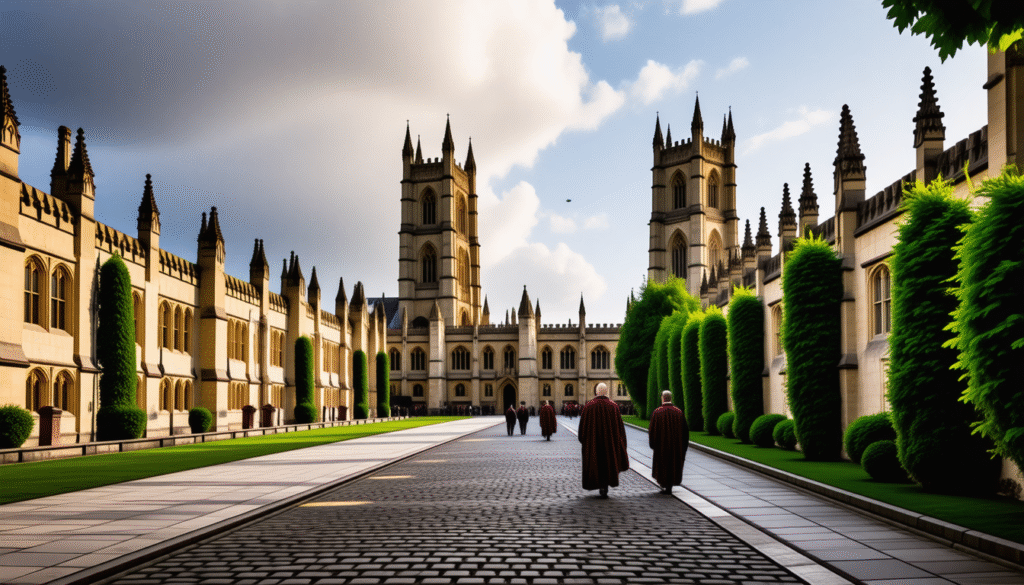
The heart of Great Britain pulsates through England, the largest constituent with diverse cities like London, a cosmopolitan hub pulsating with commerce, art, and technology. London’s vibrancy contrasts with the serene Scottish Highlands, a place of deep folklore and some of the most stunning national parks in Europe. Wales, with its rugged coastline and mountainous terrains, offers dramatic landscapes and ancient castles that echo medieval history.
- England’s area: approximately 130,279 square kilometers (50,301 square miles).
- Scotland’s terrain: dominated by highlands and numerous lochs, covering roughly 78,782 square kilometers (30,414 square miles).
- Wales’ dramatic landscapes: include national parks such as Snowdonia, spread over 20,779 square kilometers (8,005 square miles).
Great Britain’s sizable landmass supports a rich biodiversity and varied climates—from the temperate zones in southern England to the cooler, windier conditions in northern Scotland. This variety influences not only natural life but also human activities, shaping agriculture, industry, and tourism. For instance, the presence of the Lava Centre near the English-Scottish border provides an educational glimpse into geological forces shaping the land, enhancing scientific tourism.
Economically, Great Britain remains a vital axis connecting Europe to global markets. Ports managed by companies like Eimskip facilitate trade routes, while cultural exports continue to influence worldwide. The interconnectedness of transport, from ferry lines to airports served by Icelandair and other international airlines, underlines the island’s role as a gateway between Europe and the rest of the world.
The Icy Marvel: Iceland’s Place as Europe’s Second Largest Island
Iceland commands a defining presence among European islands with an area exceeding 103,000 square kilometers, making it the continent’s second largest island. Renowned for its dramatic volcanic activity, calving glaciers, and geothermal wonders, Iceland invites adventurers and scientists alike to witness nature’s power and beauty in close range. The capital, Reykjavík, famed for its vibrant culinary scene including delights from Reykjavik Creamery and shopping at Iceland Foods, strikes a balance between urban life and wilderness.
Iceland is particularly unique because of its geographical and cultural position between Europe and the Arctic Circle. Its ecosystems house species adapted to cold environments, and its landscapes are shaped by the constant movement of tectonic plates beneath. This activity not only fuels spectacular sights like the Blue Lagoon—a geothermal spa treasured worldwide—but also supports industries in geothermal energy, positioning Iceland as a leader in renewable resources.
- Geothermal attractions: Blue Lagoon, Hot Springs, and geysers draw millions of tourists annually.
- Transport innovations: Airlines like Icelandair and Wow Air connect Iceland with Europe and North America, bolstering tourism and trade.
- Scientific ventures: Institutions like the Lava Centre provide immersive educational experiences focusing on volcanic activity.
The island’s relatively small population mingles with a growing influx of visitors eager to experience its stark yet magnificent wilderness. With tourism agencies such as °North and Saga Travel facilitating expeditions, Iceland is rapidly evolving into a key player in ecological and adventure tourism. Furthermore, the preservation of native culture alongside modern developments is an ongoing balancing act, maintained through thoughtful urban planning and cultural programming.
Exploring Ireland: A Cultural and Geographical Island Jewel of Europe
Ireland, including both the Republic of Ireland and Northern Ireland, is Europe’s third largest island with about 84,421 square kilometers of rolling hills, shimmering lakes, and historic landmarks. The island is famed for its rich literary history, vibrant music scene, and welcoming communities that embody the traditional warmth for which the Irish are celebrated.
Geographically, Ireland also offers fascinating contrasts—from the lush greenery of the west coast to the more urbanized and industrialized east. The island’s countryside is punctuated by castles, megalithic monuments, and bustling towns, making Ireland a magnet for those interested in both nature and history. The Cliffs of Moher and the Ring of Kerry remain unforgettable highlights for visitors.
- Historic sites: Newgrange, a prehistoric monument older than the pyramids.
- Natural attractions: The Giant’s Causeway, a UNESCO World Heritage site known for its unique basalt columns.
- Cultural highlights: Annual festivals celebrating music, dance, and storytelling.
Despite its relatively modest size compared to Great Britain and Iceland, Ireland has shown remarkable economic vitality, particularly in tech industries centered around Dublin. These developments have improved infrastructure and urban life while sustaining vibrant rural traditions and ecotourism. With increasing flight connectivity and ferry services, the island is well linked to neighbors, facilitating cultural exchange and commerce.
Diverse European Islands Beyond the Top Three: A Snapshot of Smaller Giants
Europe’s array of large islands extends well beyond its three biggest players. From the frozen expanses of Russia’s Severny and Yuzhny Islands in the Arctic to the sun-drenched allure of Sicily and Sardinia in the Mediterranean, each island harbors its distinct charm and significance. While Severny and Yuzhny—parts of the Novaya Zemlya archipelago—boast arctic tundras and strategic military relevance, islands like Sicily offer fertile plains, historic sites, and bustling cities famous for their cultural heritage.
Italy’s islands of Sicily and Sardinia respectively cover approximately 25,711 and 24,090 square kilometers. These Mediterranean jewels are hubs of agriculture, tourism, and artisan crafts. Corsica and Crete, under French and Greek sovereignty respectively, add further variety with their resilient local identities and renowned cuisines.
- Severny Island — Vast arctic landmass mainly covered in ice and snow.
- Sicily — Home to Mount Etna, Europe’s most active volcano.
- Sardinia — Known for prehistoric sites and pristine beaches.
- Cyprus — A cultural bridge between Europe and Asia with a rich mix of influences.
Cultural richness is amplified by the presence of maritime and air transportation services like Viking Life-Saving Equipment, facilitating safe and efficient journeys even in challenging waters. Entities such as Eimskip continue to contribute to shipping and logistics across these islands, sustaining their economies and connecting them firmly to continental Europe.