The 1896 Summer Olympics marked a groundbreaking return to the grand tradition of international athletic competition, bridging millennia of history and reviving an ancient celebration of human vigor. Held in Athens, Greece, this seminal event was not merely a sports festival but a powerful symbol of the Olympic Spirit reawakening in the modern era. It rekindled the connection between modern Greece and its glorious past, celebrated through the breathtaking setting of the Panathenaic Stadium, and illuminated by the aspirations that have since shaped the Olympic Flame as a beacon of unity and excellence worldwide. The Athens Revival was more than a physical event—it was a cultural renaissance that laid the foundation for the Olympic Legacy, inspiring a global community to embrace the values represented by the Five Rings.
In a world reshaped by shifting borders and brewing tensions, the first modern Olympiad emerged as a hopeful endeavor, inviting athletes from fourteen nations to compete across nine sports disciplines. The event vividly rekindled the Marathon Heritage, a race tied firmly to Greek lore and the indomitable spirit of endurance. It also revived the concept of Zeus Athletics, echoing the ancient Greek deity’s embodiment of strength and power. Though modest in scale, this Olympiad symbolized a universal desire for peaceful competition, transcending geographic and political divides to foster camaraderie and respect.
Behind the scenes, the organizing committee faced formidable challenges, yet they succeeded in creating a stage where the world’s finest athletes emerged in pursuit of victory and honor—the Medal Quest. This quest, though inaugurated with simple silver and copper medals, ultimately grew into the golden tradition recognized worldwide. From the thunderous applause at the Stadium Origins site to the joyous celebrations of individual triumphs, the 1896 Olympics set a precedent for future Games, offering a vivid tapestry of stories that continued to inspire well beyond that springtime in Athens.
The Olympic Spirit Embodied: Revival of the Ancient Games in Athens 1896
The rebirth of the Olympic Games in 1896 was a deliberate act of cultural homage as well as a visionary step toward international cohesion through sport. The ancient Olympic Games, hosted from 776 BCE to 393 CE in Olympia, Greece, had ceased under Roman rule, leaving a silence that lasted over a millennium. Their revival was fueled not simply by nostalgia but by a strong conviction that the ancient tradition could serve as a catalyst for global harmony and competition rooted in fairness and honor.
Leading this revival was Pierre de Coubertin, whose passion and foresight galvanized support for the International Olympic Committee (IOC) in 1894. His vision encompassed much more than athletic contests; he advocated for an event that would unite nations through shared values and respect. The choice of Athens as the venue was a deliberate nod to history and symbolism, recognizing the city’s role as the cradle of democracy and cultural heritage.
Among the key factors that defined this revival were:
- Historical Legacy: Athens’ Central role in ancient civilization, creating a natural stage for the Games and linking history with the contemporary world.
- IOC Formation: Establishment of the International Olympic Committee, which underscored the growing international ambition behind the event.
- Promotion of Peace: Leveraging sports as a conduit to mitigate tensions between countries through friendly competition.
- Cultural Renaissance: A renewed interest in Greek mythology and athletic ideals framed the tone and atmosphere.
- Panathenaic Stadium: This historic venue was rebuilt in marble, recalling the past while facilitating modern athletics.
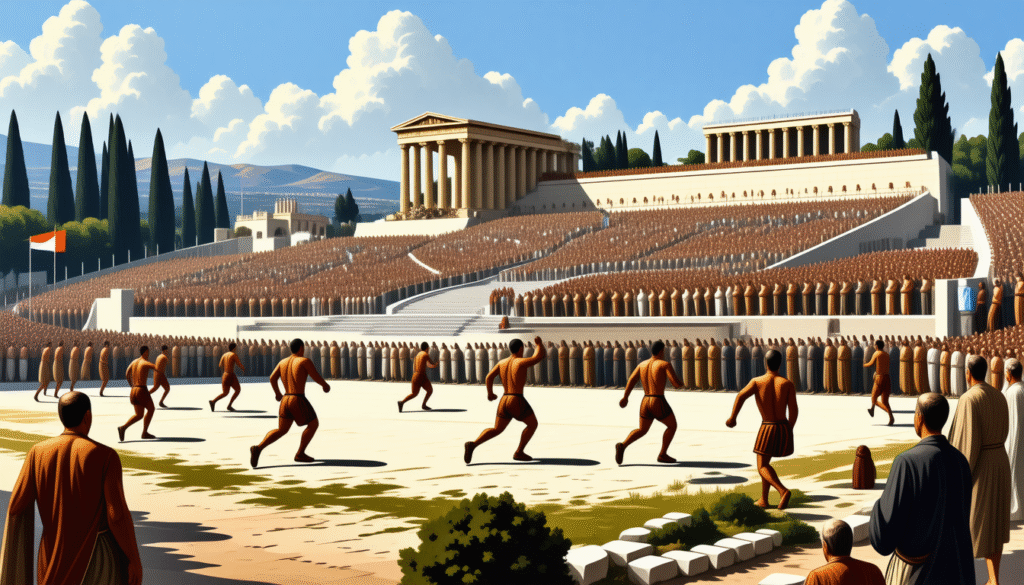
The Olympic Spirit was palpable as the event kicked off on April 6, 1896, with Crown Prince Constantine offering inspiring words and King George I officially opening the games. Approximately 80,000 spectators gathered, witnessing a carefully choreographed parade of athletes, grouped by nationality, showcasing a burgeoning global camaraderie that contrasted with the fragmented politics of the era.
Despite the enthusiastic reception, the events also highlighted traditional gender roles, most notably the exclusion of women. This reflected prevailing cultural norms but planted the seeds for future inclusion, marking a journey from restriction toward equality that the Olympics would steadily pursue. The 1896 Games, therefore, were a complex blend of reverence for ancient traditions and nascent ideas about the role of sport in society.
Modern Greece Embraces the Olympic Flame: Organizers, Venues, and National Pride
The task of reestablishing an event of such magnitude was daunting, especially for a nation navigating its own revival and aspirations. Greece was initially ambivalent about hosting the Games, challenged by financial constraints and political hesitation. Yet, thanks to the tireless advocacy of Pierre de Coubertin and the resolute commitment of Greek Crown Prince Constantine, the obstacles were gradually overcome.
One cannot fully appreciate the 1896 Olympics without recognizing the importance of the
- Panathenaic Stadium: Originally built in the 4th century BCE and restored with generous funding from benefactor Georgios Averof, this stadium epitomized the Stadium Origins concept, blending antiquity with the demands of modern competition.
- Neo Phaliron Velodrome: Designed for cycling events, this venue introduced new dimensions to the athletic celebration.
- Zappeion Hall: Used for fencing and other indoor sports, highlighting the diversity of disciplines.
The preparation of these venues was not just physical but symbolic, as they embodied the rebirth of a cultural icon and a national dream. The Greek public rallied around this event, with the crowd’s enthusiasm particularly evident during iconic contests like the marathon. The race served not only as an athletic challenge but as a spirited tribute to Greece’s Marathon Heritage, a nod to myth and legend immortalized in national consciousness.
The Olympics ignited Modern Greece’s pride, with local athletes making up over 65% of participants and the home crowd passionately supporting their champions. Notably, the victorious Greek marathon runner Spyridon Louis became a national hero overnight, his triumph embodying the spirit of perseverance deeply rooted in Hellenic culture. This local fervor underscored the international Olympic Flame’s power to kindle hope and pride.
List of elements illustrating the significance of Greece’s Olympic hosting:
- Financial contributions by citizens and benefactors like Georgios Averof.
- Symbolic restoration of ancient venues transmitting heritage to new generations.
- Organizational efforts led by Crown Prince Constantine blending royal influence with civic enthusiasm.
- Embrace of cultural mythology, linking Zeus Athletics and heroic feats to modern competition.
- National unity forged through public participation and welcoming international guests.
The 1896 Olympics thus reflected a synthesis of tradition and progress, revealing how a modern nation could harness its rich past to create a lasting international legacy.
The Medal Quest: Athletes, Events, and Unforgettable Triumphs of the Athens Olympics
With nine sports ranging from athletics to wrestling, the 1896 Olympic Games presented a diverse yet manageable program that set a precedent for all subsequent Olympiads. Though participation was limited primarily to male athletes from Europe and the United States, the event immediately captured imaginations beyond its modest numbers.
The competitions yielded remarkable stories and elevated individual accomplishments into the realm of legend. Highlighted below are key facets of the Games that defined its competitive spirit and the Olympic Quest for medals:
- Historic victories: James Connolly of the United States claimed history as the first Olympic champion by winning the triple jump, a feat that energized the Games from their very first event.
- Marathon Heritage: The marathon, inspired by ancient legend, witnessed Greek athlete Spyridon Louis conquer the long and grueling course to become the symbol of national pride and endurance.
- Dominance in gymnastics and wrestling: Carl Schuhmann of Germany made a lasting impact by securing four event victories, embodying the versatile athletic ideal.
- Medal distinctions: Winners received silver medals, olive branches, and diplomas, while runners-up earned copper medals, contrasting with today’s gold-silver-bronze system evolving from this origin.
- Exclusion and evolution: The absence of female competitors reflected contemporary gender norms but paved the way for gradual inclusivity.
The Olympic Spirit was vividly alive as these athletes competed with determination and grace, setting participatory and performance standards that echoed into the future. The Medal Quest of 1896 therefore captured not merely physical triumphs but the celebration of discipline, skill, and respect among competitors, traits the Olympics cherish to this day.
Among the memorable moments was the opening ceremony, a spectacle blending pomp and heartfelt national pride. The attendance of 80,000 spectators underscored the profound resonance of the Games, while the performance of the newly composed Olympic Hymn by Spyridon Samaras established a cultural tradition that continues to herald every Olympic Games.
Stadium Origins and the Unfolding of the Olympic Flame: Ceremonies and Symbolism in 1896
The Panathenaic Stadium did not merely serve as a physical locus for competition—it was a living monument to the Olympic Flame of heritage and aspiration. Its marble stands echoed with the footsteps and cheers of an enthusiastic crowd, merging ancient grandeur with contemporary excitement. The opening ceremony on April 6, 1896, encapsulated the spirit that was both nostalgic and forward-looking.
Crowd estimates of 80,000 demonstrate the immense draw of this sporting spectacle, accompanied by dignitaries such as King George I and Crown Prince Constantine. Their speeches emphasized the unity and international friendship the Olympic Games sought to promote, while the choir and orchestra’s rendition of the Olympic Hymn signaled a new era in ceremonial grandeur.
Key ceremonial highlights that embodied the Olympic Flame include:
- Grand procession: Athletes marched by nation, fostering a sense of global community and friendly rivalry.
- Royal endorsements: Crown Prince Constantine’s leadership lent prestige and legitimacy to the event.
- Musical legacy: The Olympic Hymn debuted, becoming a permanent cultural symbol of the Games worldwide.
- Symbolic gestures: Olive branches awarded to champions hearkened back to ancient peaceful contests.
- Public enthusiasm: The packed stadium exemplified the powerful connection between sport and spectatorship.
Through these traditions, the 1896 Games created a ceremonial blueprint that the Olympic movement would fine-tune through subsequent decades. The event’s symbolism resonated deeply, underscoring the enduring allure of sport as a vehicle for cultural dialogue and international respect.
This profound connection between past and present, within a location steeped in history, encapsulated the very essence of the Olympic Spirit. The Five Rings, representing continents united in peaceful contest, found an evocative expression within the bustling stadium, lighting the flame for an enduring global tradition.
Legacy and Global Resonance: How the 1896 Olympics Shaped Future Games and International Sport
The success of the 1896 Athens Olympics fundamentally altered the trajectory of international athletics and cultural exchanges. The organization, despite numerous setbacks and financial challenges, demonstrated the potential of global competition to inspire cooperation and mutual respect among diverse nations. This event propelled the international Olympic movement onto the world stage and established standards that endure in 2025 and beyond.
The Olympic Spirit, initially sparked by the pioneering vision of Pierre de Coubertin, evolved into a worldwide phenomenon. It has since fostered the creation of the IOC’s authoritative role, embracing new technologies, expanding athlete participation, and promoting inclusivity. Notably, the exclusion of women in 1896 gradually gave way to broader gender parity, reflecting evolving social dynamics and empowering female athletes to shine on the global stage.
The Games’ Legacy expanded through several critical dimensions, including:
- Institutional development: Recognition of the IOC as a global sports governing body paved the way for professional administration and international cooperation.
- Cultural exchange: Athletes and spectators from multiple nations experienced shared values, promoting peace through sport.
- Technological advancements: Infrastructure improvements and broadcasting innovations that today allow billions to witness events live.
- Evolution of symbols: The Five Rings and Olympic Flame became enduring icons that represent unity, competition, and peace worldwide.
- Expansion of sport: The gradual inclusion of more sports, athletes, and gender categories transformed the Games into a truly global phenomenon.
Fittingly, Athens returned as a host city in 2004, recalling and honoring the profound legacy ignited in 1896. Even a century later, the spirit lit in the Panathenaic Stadium continues to inspire athletes and fans alike, demonstrating the timeless appeal and transformative power of the Olympic movement.
In summation, the 1896 Games not only commemorated ancient glories but laid a robust foundation for modern international sports. They sparked a Medal Quest that continues to unite the world, bridging divides and celebrating human excellence in a manner that resonates deeply in our contemporary global society.