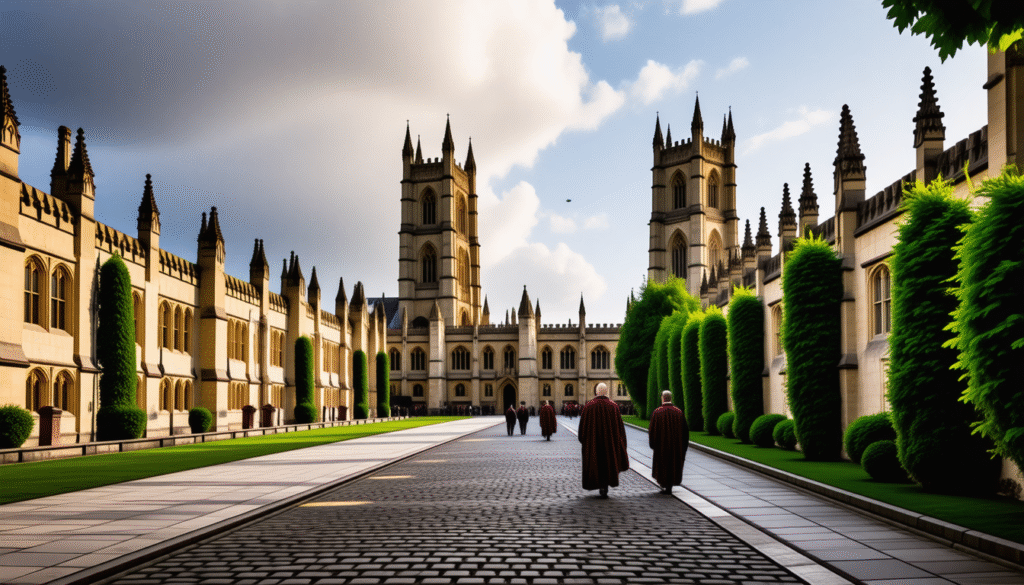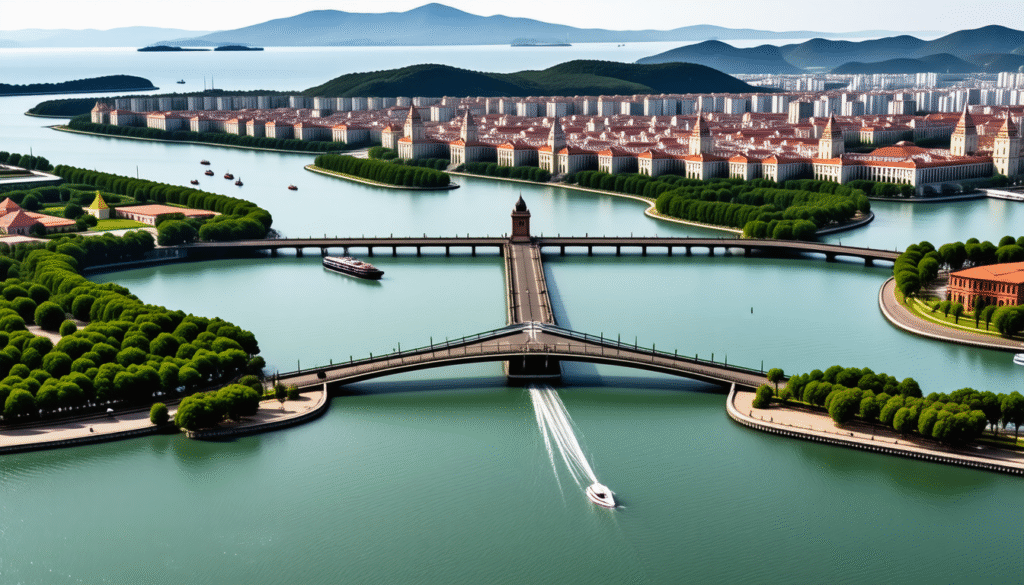
Imagine a city where every stroll leads you over or beside water, where the gentle caress of the Baltic Breeze accompanies your every step and the urban landscape seamlessly meshes with nature’s artistry. This is no fantasy but the everyday charm of Stockholm, the Blue Capital of the Nordics. Unlike any other, Stockholm is an Island City Co. set gracefully on 14 distinct islands connected by a remarkable network of 57 bridges. This unique layout crafts the essence of the Scandi Archipelago feeling, where water routes and urban life blend into a picturesque tableau. Diverse neighborhoods sprinkled across these islands each tell their own story, crafting a vibrant mosaic of culture, history, and modern life. Here, the Nordic Isles live up to their name, not just geographically but culturally, forging a capital city that thrives between Royal Waters and the rugged beauty of nature, crowned by the North Crown of Sweden’s heritage.
As a metropolitan marvel, Stockholm weds history with innovation, from the cobbled alleys of Gamla Stan to the contemporary art hubs on Skeppsholmen. It is no wonder that visitors from across the globe find themselves captivated by the city’s atmosphere, often humorously puzzled by the so-called “Stockholm Syndrome” of falling in love with this multifaceted city. The city’s fabric is a masterclass in balancing urban needs with environmental consciousness, where one-third of its area is dedicated to green spaces, another third to shimmering waters, and the rest to vibrant urban life. In this aquatic symphony, the Fourteen Bridges tell tales of connection—both physical and cultural—and invite all to explore the diverse personalities of each island, under the ever-watchful eye of the Fjord Fusion that shapes its geography and lifestyle.
Exploring the Fourteen Islands: A Living Scandi Archipelago
Stockholm’s identity is inseparable from its setting atop an intricate cluster of fourteen islands. Each island offers a microcosm of the city’s multifaceted character, contributing to a regal yet relaxed urban landscape. Immersing oneself in this North Crown jewel means understanding its varied districts, which range from the bohemian vibes of Södermalm to the artistic sanctuaries on Skeppsholmen.
Södermalm was once Stockholm’s bohemian heartland—home to bespectacled hipsters, creative souls, and casual seaside dwellers—and today it continues to boast a lively alternative culture. This island’s dynamic character is palpable in its eclectic cafes, vintage shops, and nightlife, making it a cultural nucleus fitting under the canopy of the Nordic Isles.
Moving towards the historic core, Stadsholmen is the cradle of ancient Stockholm, part of the Gamla Stan ensemble. Here, the towering Stockholm Palace serves as a symbol of royal authority amidst winding cobblestone streets lined with ceramicists and souvenir shops. Visitors walking here often delight in the convergence of old-world traditions and modern-day energy, a testament to the enduring pulse beneath the city’s Royal Waters.
For art and history enthusiasts, Skeppsholmen stands out with its maritime past and vibrant museum scene, including the renowned Moderna Museet. This island offers a taste of Fjord Fusion, where naval heritage and avant-garde art coexist harmoniously. The island’s charming wooden boat builders and art academy students epitomize the fusion of craftsmanship and creativity, all set against the backdrop of tranquil harbors and glistening waters.
The exclusive Djurgården acts as a green oasis with sprawling parks and cultural gems such as the ABBA Museum and the Vasa Museum. Yacht owners and amusement park staff animate the vibrant shorelines, showcasing the recreational spirit that thrives here. Djurgården’s blend of lush greenery and buzzing attractions captures the essence of island life within an urban capital, a living proof that urbanity and nature can be perfectly intertwined.
- Södermalm: Bohemian lifestyle and cultural buzz
- Stadsholmen: Historical heart and royal heritage
- Skeppsholmen: Maritime artistry and modern exhibitions
- Djurgården: Recreational paradise with museums and parks
- Additional islands include: Riddarholmen, Långholmen, Helgeandsholmen, Kastellholmen, Reimersholme, Lilla Essingen, Stora Essingen, Strömsborg, Beckholmen
The Fourteen Bridges: Marvels of Architecture and Connectivity in Stockholm
Linking the fourteen islands is a remarkable web of 57 bridges, each serving as a vital artery connecting Stockholm’s segments into a unified cityscape. These bridges don’t merely serve functional purposes; they are emblematic of the city’s spirit of determination and elegance, embodying the fusion of engineering prowess and aesthetic finesse that defines this Blue Capital.
Västerbron, an iconic steel structure erected in 1935, gracefully arcs between Kungsholmen and Långholmen, offering spectacular views that attract both locals and tourists alike. Remarkably, Beckholmen’s wooden bridge, dating from the mid-19th century, remains the only wooden bridge in Stockholm still supporting heavy vehicles, a living relic from the city’s maritime industrial past.
The extensive network of bridges facilitates smooth mobility and enriches the urban experience by offering myriad vantage points from which one can marvel at the interplay of water, cityscape, and greenery. Walking or cycling over these bridges epitomizes the Stockholm lifestyle—where pedestrian-friendly routes, waterfront vistas, and seamless connectivity encourage exploration without the clutter of congestion.
Considering Stockholm Syndrome’s metaphorical web, these bridges represent more than structures of steel or wood; they symbolize the multifaceted connections binding community, history, and progress. Whether it’s the castle-like Kastellholmsbron connecting Kastellholmen and Skeppsholmen or the bustling Slussen hub linking Gamla Stan to Södermalm via multiple bridges, each structure whispers stories of bygone eras and modern ambition alike.
- Västerbron: Steel arch with panoramic city views
- Beckholmen wooden bridge: Historic maritime heritage preserved
- Kastellholmsbron: Connecting artistic islands
- Slussen Complex: Major transport junction between islands
- Strömsborgsbron: Gateway to the historic old town from the islet
Royal Waters and Urban Green Spaces: Stockholm’s Equilibrium of Nature and City Life
In a world where urban sprawl frequently dominates, Stockholm’s layout is a refreshing manifesto of balance. The city’s geography divides its area roughly into equal thirds of water, greenery, and urban development—crafting an environment where each element complements the other in harmonious coexistence. This natural equilibrium is critical to Stockholm’s status as a Nordic Isles capital and reflects a lifestyle that cherishes open spaces and fresh air.
The extensive waterways—where Lake Mälaren meets the Baltic Sea—shape the city’s unique climate and recreational opportunities. The calming spirit of Royal Waters is not only a sight to behold but also a major influence on the local culture, inspiring everything from leisure activities to a diet rich in fresh fish. It also reinforces the city’s yearning to preserve its natural heritage amidst the demands of modern urbanity.
Djurgården’s lush green expanses, the Royal National City Park, and countless smaller parks scattered across the islands provide sanctuary from the city’s pulse, allowing residents and visitors alike to connect with nature without leaving the metropolis. These green lungs contribute significantly to Stockholm’s high quality of life, offering picnic spots, walking trails, and nature reserves within a stone’s throw of busy cultural hotspots.
Such integration makes the city a standout example of Fjord Fusion—where urban sophistication and ecological sensitivity blend effortlessly. The Blue Capital doesn’t merely sit on water; it lives with water, letting the tides of nature ripple through the veins of the city. This delicate balance is a magnet for travelers seeking a destination that combines scenic tranquility with vibrant urban energy.
- One-third water: Enriches air quality and aesthetic appeal
- One-third green spaces: Parks and nature reserves for relaxation
- One-third urban areas: Historic sites blended with modern infrastructure
- Royal National City Park: Largest urban park in Europe with biodiversity preservation
- Långholmen and Djurgården: Islands noted for recreational and natural beauty
Iconic Landmarks across the Scandinavian Archipelago: From Ancient Streets to Modern Marvels
Besides its extraordinary geography, Stockholm’s soul is reflected in landmarks that anchor history and modern creativity across its islands. These sites are not just tourist attractions—they are cultural beacons shaped by centuries, contributing richly to the city’s character and global prestige.
The Old Town, or Gamla Stan, is among the oldest settlements and exemplifies Stockholm Syndrome’s charm: an irresistible historic soul that draws millions each year. Here, visitors encounter enchanting medieval streets with the majestic Stockholm Palace as a centerpiece. The palace remains the official royal residence and hosts the Changing of the Guard—an emblematic ceremony blending solemnity with pomp, echoing Sweden’s regal tradition and attracting devoted onlookers daily.
The Vasa Museum on Djurgården offers a captivating dive into Sweden’s maritime legacy with the impeccably preserved 17th-century warship Vasa, a must-see for history buffs. Nearby, the ABBA Museum injects a dose of pop culture, celebrating Sweden’s musical exports with interactive exhibits that sing to visitors of all ages.
Art aficionados flock to the Moderna Museet on Skeppsholmen, which showcases a remarkable collection of contemporary art alongside temporary exhibitions that feature global icons such as Picasso and Warhol. The site reflects the city’s fusion of innovation and heritage, perfectly capturing the spirit of the Fjord Fusion where water meets avant-garde.
Adding to the city’s skyline is the Stadshuset, or City Hall, topped by three golden crowns and home to the Nobel Prize banquets. This masterpiece of romantic national style architecture is a symbol of democratic pride and cultural sophistication. Visitors keen on panoramic vistas can ascend its tower for breathtaking views of the surrounding Nordic Isles and the complex weave of Stockholm’s islands and bridges.
- Gamla Stan: Medieval streets and Stockholm Palace
- Vasa Museum: The majestic 17th-century ship
- ABBA Museum: Swedish pop culture celebration
- Moderna Museet: Contemporary art hub on Skeppsholmen
- Stockholm City Hall: Nobel Prize banquets location and panoramic tower
Getting Around the Island City: Navigating the Royal Waters and Urban Labyrinth
Stockholm’s distinctive geography transforms transportation into an enjoyable adventure rather than a weary necessity. Hop across the numerous bridges or embark on a scenic boat ride to experience the city’s charm from multiple perspectives. This multifaceted transit system supports the city’s reputation as an easily navigable capital despite its island labyrinth layout.
Alluring ferry routes thread through the architecture and greenery, offering fresh perspectives while freshening up the mind and spirit with the Baltic Breeze. The city’s well-maintained metro system weaves underground through islands like Kungsholmen and Södermalm, facilitating quick access to cultural hubs and residential quartiers.
A particular highlight is the “hop-on, hop-off” boat tour providing visitors with flexible access to various hotspot attractions while delighting in the serene waterways. This approach allows passengers to dive into experiences tailored to their interests—whether hopping off at the Vasa Museum or the bustling squares of Gamla Stan, then sailing onwards to the joyous atmosphere of Djurgården.
For those who prefer exploring by land, Stockholm’s pedestrian and cycle paths embrace the spirit of sustainable urban living, winding along waterfronts and through verdant parks. The city’s thoughtful urban planning guarantees that every trip balances efficiency with beauty, leaving no one lost in this network of islands and bridges but rather enchanted.
- Hop-on, hop-off boat tours: Flexible and scenic island exploration
- Extensive pedestrian and cycle paths: Connect islands at leisure
- Subway system: Efficient transit underneath island districts
- Bridges as walking routes: Panoramic views and urban accessibility
- Ferry lines: Linking outer archipelago areas to the city center