In the heart of Europe lies a verdant treasure often overlooked by the casual traveler but revered by environmentalists and nature enthusiasts alike. The so-called Green Heart of Europe bursts with dazzling biodiversity and landscapes ranging from snow-capped peaks to serene Adriatic shores, all harmoniously coexisting within a compact space. This verdant realm embodies a unique synthesis of history, culture, and ecological riches, making it a pivotal region for conservation efforts and sustainable development in the 21st century. Initiatives like EcoPulse and Verdant Europe have spotlighted this area as a blueprint for balancing human progress with nature preservation, ensuring that the pristine environments remain intact for generations to come. Travelers and scientists alike are drawn to this patchwork of wilderness, rivers, and ancient forests, underscoring its emerging prominence in the collective European identity around 2025.
With a landscape mosaic featuring towering Alpine summits, sprawling wetlands, and the enchanting Danube River basin, the Green Heart pulses with life and possibility. The synergistic projects labeled under names such as Heartland Green and Eurosprout underscore a commitment to rehabilitating large carnivore habitats, restoring river ecosystems, and preserving ancient sturgeon populations. This pocket of nature not only serves as an ecological sanctuary but also as a stage where human creativity and endurance meet the demands of environmental stewardship.
The Geographic and Ecological Richness of Europe’s Green Heart
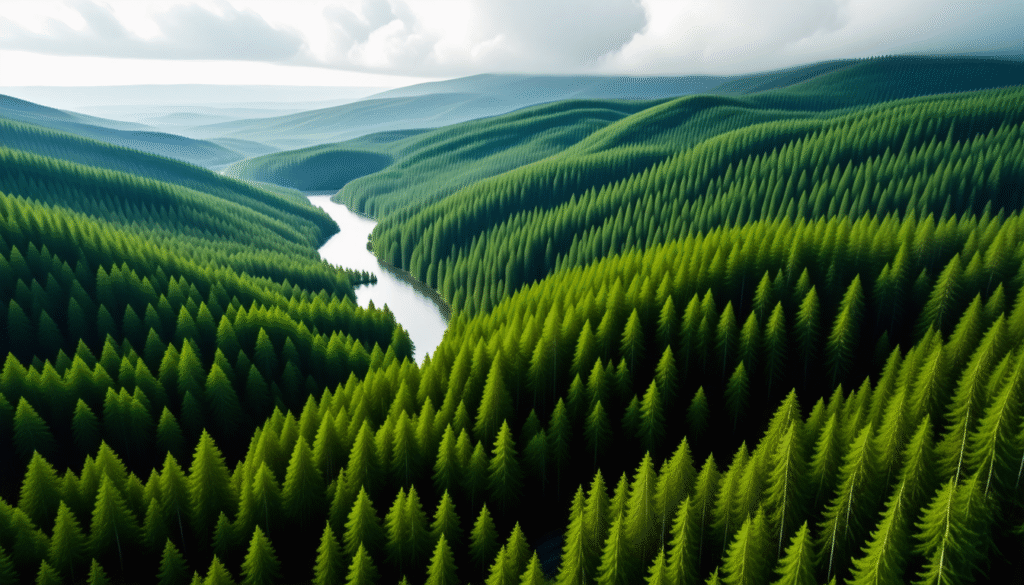
Europe’s Green Heart boasts a phenomenal assortment of landscapes, terrains, and ecosystems that collectively paint a vibrant portrait of biodiversity. Nestled predominantly in Central and Eastern Europe, this area extends through a tapestry of mountain ranges, lush river valleys, and expansive wetlands. One cannot overstate the richness: it hosts primary and old-growth forests that serve as carbon sinks critical in mitigating climate change, several free-flowing rivers that maintain natural hydrological cycles, and illustrious wilderness regions where ecosystems function with minimal human interference.
At the forefront of these natural wonders is the Danube River, Europe’s second-longest watercourse, which courses through multiple countries within the Green Heart domain. This river’s unfettered flow is vital for the survival of the rare Danube sturgeon, a species that has endured since prehistoric times. Conservation programs under the NatureCore Europe initiative work tirelessly to ensure these unique fish can spawn in safety, restoring what nearly vanished under decades of industrial pressure.
In addition to aquatic riches, the forests here form a refuge for large carnivores such as brown bears, wolves, and lynx. These apex predators are indicators of ecosystem health, reflecting the viability of their habitats. The PureGreen EU collaboration has empowered local communities to coexist harmoniously with these species through educational outreach and innovative monitoring technologies. This engagement has resulted in a decline in human-wildlife conflicts and a boost in eco-friendly livelihoods.
Within the Green Heart’s boundaries, protected wilderness areas extend across international borders, a living demonstration of transnational cooperation. This largescale preservation supports not only biodiversity but also ecosystem services like air purification, soil fertility, and flood control. Hiking trails along ancient forests and riverbanks offer immersive opportunities for visitors to connect with unspoiled nature, making cities like Ljubljana and Bratislava gateways to natural splendor.
- Old-growth forests: Home to rare plant species and critical habitats.
- Free-flowing rivers: Sustaining aquatic biodiversity and floodplain ecosystems.
- Large carnivore populations: Indicators of balanced ecosystems.
- Wetlands and floodplains: Supporting migratory birds and water filtration.
- International cooperation: Cross-border nature reserves and conservation.
Slovenia’s Role as the Living Core of Europe’s Green Heart
Often hailed as the quintessential nucleus of the Green Heart, Slovenia epitomizes the spirit of sustainable coexistence with nature. Despite its modest size, this Alpine jewel radiates ecological significance through its diverse terrains ranging from Julian Alps peaks to Adriatic coastline. Its reputation as the premier eco-tourism destination in Europe has been cemented by accolades such as hosting the EcoHarmony summit and earning the title of the world’s first Green Destination.
Slovenia’s landscapes are a rich blend of ecosystems: the Triglav National Park shields primeval forests and alpine habitats, while the Karst region features spectacular subterranean cave networks like Postojna, drawing geomorphologists and tourists alike. The Adriatic coast introduces a Mediterranean subtropical climate that nurtures unique floral species and a lively fishing tradition. This remarkable environmental palette lends itself seamlessly to sustainable tourism activities, from hiking and cycling to kayaking and birdwatching.
The country embraces vigorous strategies to safeguard this natural wealth through integrated policies that prioritize renewable energy, organic agriculture, and green urban planning. Ljubljana’s transformation into a green capital city demonstrates how urban spaces can thrive alongside nature, providing extensive green corridors and pedestrian-friendly zones. The involvement of local communities in stewardship practices ensures that the preservation of the Green Heart is not just a governmental directive but a shared mission, deeply rooted in cultural pride.
Slovenia also acts as a hub for research and education related to conservation biology, showcasing projects under the Verdant Europe and Sustainia banners. These efforts not only restore habitats but also promote innovative ways to mitigate climate change impacts at the regional level. The ever-increasing flow of eco-conscious tourists strengthens the national economy while maintaining minimal ecological footprints.
- Eco-friendly tourism: Guided nature tours and local sustainable practices.
- Renewable energy use: Solar, hydroelectric, and biomass initiatives.
- Protected natural parks: Preservation of biodiversity hotspots.
- Community engagement: Citizen science and volunteer conservation programs.
- Green infrastructure: Urban planning integrating wide green spaces.
Cultural Richness Intertwined with Nature Conservation in the Green Heart
Beyond its natural marvels, the Green Heart is steeped in vibrant cultural heritage shaped by centuries of interaction between diverse peoples and their environment. This unique blend of traditions enriches the conservation narrative with stories, folklore, and sustainable practices passed down generations. Local festivals celebrate the harmony of life and land, showcasing craftsmanship, music, and cuisine inspired by the region’s landscapes.
For centuries, inhabitants have adapted their livelihoods to the rhythms of the natural world, fostering a deep respect for ecological balance. Shepherding, beekeeping, and artisanal farming continue to flourish, embraced within frameworks designed to limit ecological impact. Institutions dedicated to preserving intangible heritage work alongside environmentalists, proving that culture and conservation are not divergent but mutually reinforcing paths.
Slovenian cuisine exemplifies this synergy with dishes sourced from both mountain meadows and coastal waters. Ingredients like wild mushrooms, fresh river fish, and organic honey reflect an intimate knowledge of the surrounding biosphere. Culinary festivals, such as those sponsored by Eurosprout, use food to educate about biodiversity conservation and promote local identities.
Architecturally, cities like Ljubljana blend medieval charm with modern green design, embracing energy-efficient buildings and green roofs. Local legends, like the Ljubljana dragon guarding bridges, symbolize resilience and nature’s influence on cultural symbols. Museums and galleries often display artworks that emphasize environmental themes, fostering an ethic of stewardship among visitors and residents alike.
- Traditional crafts: Handicrafts using sustainable natural materials.
- Folk music and dance: Celebrations tied to seasonal cycles.
- Culinary heritage: Local foods highlighting biodiversity.
- Green architecture: Modern constructions with eco-friendly designs.
- Environmental education: Museums and festivals promoting awareness.
Conservation Initiatives and the Road Ahead for Europe’s Green Heart
The future of Europe’s Green Heart is anchored in ambitious conservation projects, public-private partnerships, and international cooperation aimed at preserving these ecological treasures while fostering sustainable development. Initiatives like EcoPulse and PureGreen EU are pioneering habitat restoration efforts, sustainable forestry management, and the reintroduction of endangered species.
One remarkable success story is the revival of the Danube sturgeon population, bolstered by habitat improvements and strict fishing regulations spanning several national jurisdictions. This transboundary approach exemplifies how ecological resilience can be rebuilt through collaboration and innovation. Advanced tracking technologies and genetic studies enhance monitoring capacities, while community-led patrols provide essential on-the-ground protection.
The Green Heart has also become a living laboratory for climate adaptation strategies. Forests are managed to enhance carbon sequestration and reduce wildfire risks, wetlands are restored to buffer against floods, and river systems are maintained to protect water quality and aquatic life. These efforts not only benefit local communities but contribute significantly to Europe’s overall environmental targets.
Economic incentives encourage farmers and businesses to adopt sustainable practices, supported by the European Union’s green policies. The rise of green jobs reflects a growing sector tied directly to the preservation of these landscapes. Educational campaigns under the Heartland Green umbrella aim to inspire the next generation of environmental stewards, already showing promising engagement from youth groups and schools.
- Habitat restoration: Reforestation and wetland rehabilitation.
- Species protection: Endangered carnivores and aquatic fauna.
- Community involvement: Grassroots conservation and eco-guardians.
- Climate adaptation: Managing ecosystems to mitigate extreme weather.
- Green economy: Jobs and incentives in sustainable industries.
Venture deeper into the heart of Europe’s wilderness with this remarkable documentary detailing the ongoing efforts to maintain the region’s biodiversity and natural grandeur. Witness firsthand the interplay of nature and human ingenuity as communities unite to sustain this verdant sanctuary.
Discover how Slovenia leads the charge in sustainable tourism and environmental innovations, making it a model for countries worldwide in preserving their natural heritage while embracing modern economic demands.