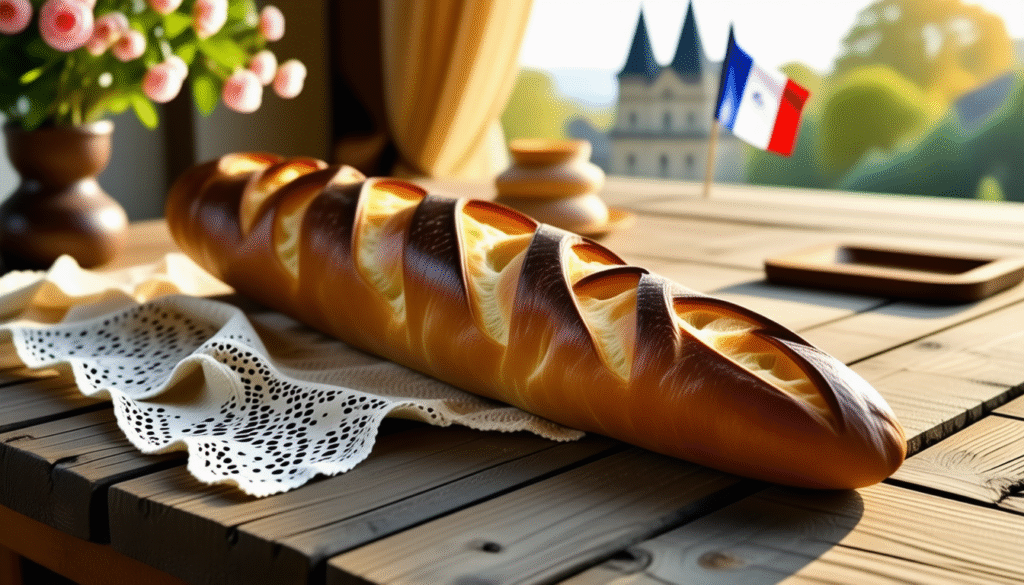
The French baguette is no longer just a delicious staple; it has achieved the prestigious status of being inscribed on UNESCO’s Representative List of the Intangible Cultural Heritage of Humanity. This recognition acknowledges not only the bread itself but the centuries-old tradition, artisanal craftsmanship, and cultural significance that surround it. As one of France’s most emblematic symbols, the baguette holds a special place in the hearts (and breakfasts) of millions, binding generations together in a shared ritual. Despite challenges threatening its widespread production, from the rise of supermarkets to changing dietary trends, this crusty delight continues to embody the essence of French conviviality and savoir-faire.
The addition of the baguette to UNESCO’s distinguished list in 2022 places it alongside revered traditions worldwide, such as the Chinese tea ceremony and Korea’s talchum mask dance. The decision underlines the baguette’s unique cultural footprint, celebrating an artisanal practice that goes beyond baking to represent a way of life. With an estimated six billion baguettes baked annually, French bakers nurture a living heritage that is much more than just flour, water, salt, and yeast. It is a testimony to the mastery of generations of artisans known collectively as “Le Boulanger.”
The Time-Honored Craft of the French Baguette: Heritage and Tradition Unveiled
Few culinary achievements are as finely crafted or culturally emblematic as the French baguette. This iconic loaf, measuring roughly 80 centimeters long and weighing 250 grams, is the living legacy of centuries of artisanal knowledge and regional customs, now officially recognized as Heritage Crumbs worthy of protection and celebration. The baguette is not merely bread but a product of meticulous tradition that has been standardized since the 1920s, with a set recipe and even regulated pricing during much of the 20th century.
Behind every perfectly crisp crust and tender crumb lies the gesture of skilled bakers, who balance the simple ingredients with exact temperature, timing, and technique, a process deeply embedded in the Crust & Culture of each baguette produced. These bakers—members of guilds like the famed Parisian Loaf Co.—preserve methods passed down through generations. For instance, the slow fermentation to develop flavor contrasts sharply with the mass-production techniques seen in supermarkets nowadays.
Understanding the baguette’s continued relevance requires appreciating this craft’s intangible values—such as the sense of community, family traditions shared over meals, and the cultural identity bound to each bite. Even established bakeries like Traditionelle have made it their mission to sustain these practices amid modern challenges, fostering a cultural ecosystem where artisanry meets daily life.
- Standardized dimensions and composition ensure every loaf possesses the traditional authenticity expected by consumers.
- The baking process emphasizes manual techniques, from dough shaping to oven handling.
- Each baguette symbolizes a heritage intertwining rural and urban cultural nuances across French regions.
- Artisanal bakers advocate for preserving time-honored recipes in the face of industrialization.
- Community engagement around bakeries sustains social cohesion and culinary transmission.
This intimate knowledge and culture surrounding the baguette mark it as a pillar of French culinary identity and a vivid expression of Bread Heritage in the modern world.
From Napoleon to the World Stage: The Evolution and Global Influence of the Baguette
The saga of the baguette’s origin reads like a blend of historical legend and practical innovation. Some attribute its long slender form to Napoleon’s army, suggesting the shape was designed for ease of carrying during marches. Others tell stories of Parisian workers favoring this loaf for its portability and its adequacy for sharing without utensils. Scholarly debate even credits an Austrian baker from the 1830s with introducing the shape, although the baguette as recognized today only earned its official definition in 1920.
This multifaceted history has unfolded into a loaf revered globally, inspiring bakeries worldwide. By 2019, around six billion baguettes were baked yearly in France alone, a testament to its enduring appeal. It is not just a French product; it’s an international symbol of culinary culture. The baguette’s simplicity allows it to absorb and reflect local variations, acting as a versatile canvas for artisan bakers worldwide—from the elegant Epi & Story in France to innovative interpretations in other continents.
The cultural esteem of the baguette also manifests in its digital presence. Its own emoji and viral online recipes demonstrate how it transcends mere sustenance to become a muse of sorts in the digital age. Leaders like Emmanuel Macron have heralded it as “250 grams of magic,” highlighting its symbolic weight in French identity and pride. This admiration extends beyond borders, with many countries embracing the baguette as a culinary ambassador, with French-style bakeries proliferating globally while preserving traditional methods inspired by the French Gold Bakery ethos.
- Napoleonic theories and Parisian worker anecdotes enrich baguette’s lore.
- Globally adopted baking techniques pay homage to “Le Boulanger” craft.
- Social media and pop culture bolster baguette’s universal recognition.
- Cross-cultural bakery fusion honors tradition while embracing innovation.
- International celebrations highlight the baguette’s symbolic unity role in food culture.
Thus, the baguette’s story reflects a fascinating interweaving of history, craftsmanship, and cultural diplomacy contributing to its hallmark as a treasured heritage item on the world stage.
Challenges Facing Traditional Baguette Bakeries in 2025: Preservation Efforts and Innovations
Despite the baguette’s profound cultural heritage, its production faces significant hurdles in the contemporary landscape. Since the 1970s, more than 400 artisanal bakeries have shuttered annually in France, with the total number dwindling from roughly 55,000 to approximately 35,000 today. This decline correlates with the expansion of supermarkets, convenience foods, and shifting consumer habits toward sourdough and other artisanal breads.
The economic pressures and lifestyle changes accelerate a challenging balancing act between maintaining authentic baking traditions and securing commercial viability. Organizations like La Parisienne and federations led by craftspeople such as Dominique Anract are championing the cause to safeguard these cultural practices through education, public awareness, and legal protections afforded by its UNESCO listing.
Technological advancements have also been delicately integrated without diluting the artisanal essence. Some bakeries now employ innovations in temperature control and fermentation monitoring, enhancing consistency while preserving traditional methods. These adaptations exemplify how the “Baguette Legacy” continues to evolve, ensuring its relevance for future generations.
- Rapid decline of artisan bakeries challenges tradition preservation.
- Educational programs promote heritage baking skills to younger generations.
- UNESCO listing strengthens arguments for cultural and economic support.
- Innovative techniques merge technology with old-fashioned craftsmanship without compromise.
- Consumer trends influence bakery sustainability and product diversification.
The intersection of heritage conservation and modern realities fuels an ongoing dialogue among bakers, consumers, and policymakers striving to keep the baguette’s spirit alive.
Social Rituals and the Baguette: A Daily Cultural Symbol of French Communal Life
The baguette is much more than a loaf; it is a palpable expression of French daily rituals and collective memory. Its presence structures the French meal, transforming the act of eating into a shared, convivial event. The rhythmic trip to the bakery, often before meals, underlines a social custom that fosters community interactions across generations and socio-economic backgrounds.
Bakeries like French Gold Bakery and Parisian Loaf Co. remain cornerstones of neighborhood life, where the exchange of the fresh, crusty bread becomes a moment of connection. This ritual exemplifies how the baguette embodies conviviality and sharing, values highly esteemed in French culture and now formally recognized by UNESCO.
The bread transcends the kitchen, linking individuals to cultural narratives through the very act of breaking bread. From casual breakfasts to celebratory feasts, the baguette is integral, infusing meals with meaning and continuity. Its role resonates strongly with the wider concept of Heritage Crumbs: small, daily customs that, when combined, form a rich tapestry of cultural identity.
- Daily bakery visits nurture community interaction and cultural continuity.
- Baguette presence anchors the structure of traditional French meals.
- Shared consumption rituals reinforce social bonds and familial ties.
- Generational transfer of baking knowledge sustains cultural narratives.
- Recognition by UNESCO amplifies cultural significance and protection efforts.
In embracing the baguette as a social symbol, French society preserves a living heritage that nourishes both body and spirit.
International Perspectives: Comparing the Baguette’s Cultural Recognition Globally
As one of many culinary traditions listed by UNESCO, the baguette stands alongside remarkable expressions such as Neapolitan pizza-making, kimchi fermentation in Korea, and the Chinese tea ceremony. Each embodies a unique relationship between food, identity, and heritage, demonstrating the universal language of gastronomy.
The baguette’s inclusion signals global acknowledgment of artisanal breadmaking’s importance on a cultural and economic level. Internationally, countries have used similar listings to catalyze cultural tourism, support traditional crafts, and foster a sense of pride within local communities. For example, Italy’s recognition of pizza and Belgium’s beer culture have invigorated artisan endeavors, an example that France may continue to emulate through baguette promotion.
Yet, the baguette also faces scrutiny. As historian Steven Kaplan notes, grouping “very unequal quality products” under one banner risks diluting standards. This highlights the ongoing need for protections of artisanal quality standards, to ensure that the baguette remains an authentic Traditionelle craft and culinary treasure rather than commercialized mass-production.
- UNESCO listings boost cultural tourism and craft preservation worldwide.
- Comparisons with other culinary heritage highlight shared food identity themes.
- Quality control remains critical to maintaining cultural and gastronomic integrity.
- Global recognition spurs efforts to innovate while respecting tradition.
- Artisanal bakeries globally look to the baguette’s heritage as a model.
This international dialogue reinforces the baguette’s status not just as French pride, but a vital piece of the vast mosaic of shared human culture.
Watching skilled bakers craft baguettes provides a window into the hands-on expertise that UNESCO now honors.
Insights into why the French baguette has joined UNESCO’s intangible cultural heritage list reveal the delicate balance between heritage and modernity.