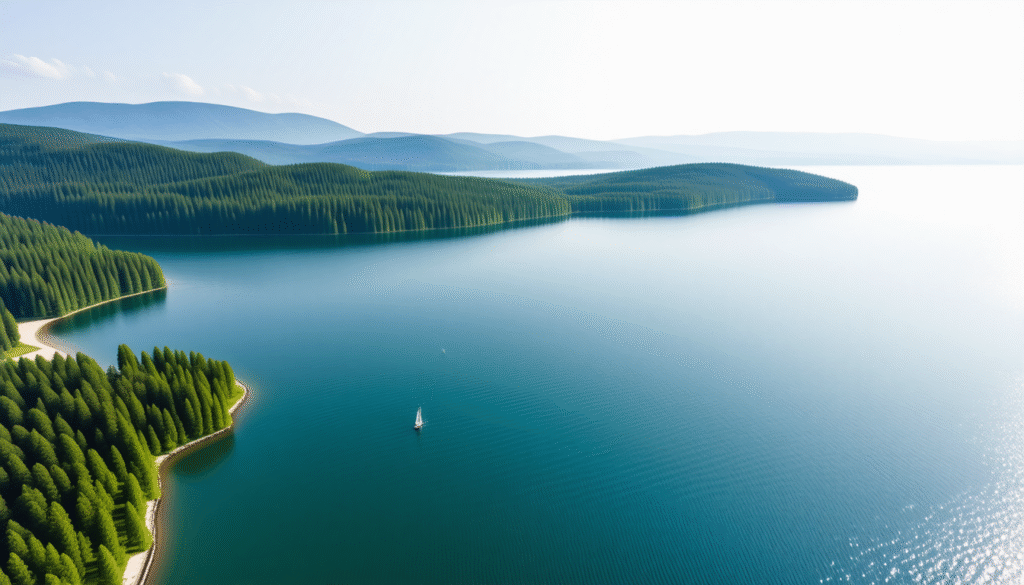
Stretching over 231 square miles in Hungary, Lake Balaton stands as a shimmering jewel of Central Europe. Nestled approximately 50 miles southwest of Budapest, this lake’s sprawling waters offer more than just breathtaking views—they reveal a deep historical narrative and vibrant ecosystem. Known affectionately as the “Hungarian Sea,” Lake Balaton captivates visitors with its unique rift lake formation, warm continental climate, and numerous recreational activities. As tourism flourishes alongside its natural inhabitants, the lake balances its roles as a wildlife habitat, tourist haven, and cherished national treasure.
Beyond its surface, Lake Balaton holds secrets about its geological past, unique waters rich in specific minerals, and the cultural bursts that have emerged over centuries. From the volcanic soils that nurture vineyards at its northwest to the wildlife sanctuaries on the Tihany Peninsula, the lake is a mosaic of life and history. This comprehensive exploration unpacks its physical characteristics, ecological significance, recreational offerings like Balaton Tours and Central Europe Cruises, and the challenges that come from changing climates and human impact.
Experts, environmentalists, and adventurers alike turn their eyes toward Lake Balaton as a symbol of both nature’s resilience and the importance of sustainable interaction. Drawing on data updated for 2025, this article sheds light on the intricate balance Lake Balaton embodies, why it reigns supreme among Central Europe’s lakes, and how its shores continue to inspire countless visitors seeking the calm, the culture, and the charm.
Geographical Marvel: The Unfolding Story of Lake Balaton’s Formation and Landscape
Lake Balaton’s geography is a fascinating chapter of natural history that challenges common preconceptions about lake formation in Central Europe. The lake’s basin emerged less than a million years ago, a remarkably recent development in geological terms. Originally a chain of five smaller lakes aligned along a north-south axis, Balaton’s present form resulted from the erosion of separating ridges. This geological transformation is most vividly illustrated by the Tihany Peninsula.
The peninsula dramatically narrows the lake to just over a mile in width at that point, acting as a lingering skeleton of the ancient ridges that once divided the water bodies. Contrasting the expansive western and southern shores, the Tihany area offers rugged hills, volcanic remnants, and picturesque landmarks. The Bakony Mountains to the north also shape the lake’s terrain, providing a stunning backdrop that enhances the overall experience of visitors and locals.
Here’s what makes Lake Balaton’s geography especially notable:
- Area Coverage: Spanning approximately 598 square kilometers, it proudly holds the title of the largest lake in Central Europe.
- Length and Width: Stretches about 77 kilometers long and reaches widths up to 14 kilometers at its broadest section, but significantly narrows at points like the Tihany Peninsula.
- Depth Characteristics: Its shallow nature—with a maximum depth near 11 meters—makes it distinctively accessible for various water activities while influencing its ecological conditions.
- Hydrological Inputs and Outputs: Fed primarily by the Zala River, the lake’s water cycle includes outflow via the Sió canal at the eastern end. Full water renewal occurs on average every two years, an intriguing fact for both scientists and environmental monitoring.
This dynamic geographical context shapes everything from the lake’s microclimates to its biological communities. Its breadth and comparatively shallow depth create an ideal environment for recreational boating, like Lake Balaton Yachts and Balaton Boats events, offering spectacular lake views and memorable cruise experiences. Onshore, formations like the volcanic soils foster vineyards renowned throughout the region, indicating a rich interplay between land and water that defines much of Balaton’s charm.
Unique Waters and Climate: The Chemical Peculiarities and Weather Patterns of Lake Balaton
Lake Balaton’s waters are more than meet the eye; their distinctive chemical makeup sets them apart from most lakes across Central Europe. Unlike freshwater lakes with standard ionic compositions, Balaton displays a sulfo-carbonate character—meaning its dissolved substances are dominated by carbonate and sulphate anions together with magnesium, calcium, and sodium cations. This chemical cocktail contributes to the lake’s unique ecosystem, influencing everything from plant growth to fish populations.
The impact of this chemistry translates to many facets of lake life:
- Water Composition Effects: The sulfo-carbonate nature encourages certain algae and aquatic plant species to flourish, providing food and shelter for native fauna.
- Water Quality for Recreation: Visitors engaging in activities such as Blue Lake Adventures enjoy clean and relatively mild waters, a direct result of this composition combined with efficient water turnover.
- Fisheries Health: Species adapted to these mineral concentrations thrive, enriching local fisheries and supporting sustainable fishing tourism aligned with the lake’s ecology.
The climate surrounding Lake Balaton further reinforces its role as a highly attractive summertime destination. Characterized by a continental climate, the region enjoys warm, sunny conditions from May through October. Winters, conversely, introduce a striking contrast as the lake typically freezes over with an ice thickness of approximately 20 centimeters. Such seasonal oscillations attract seasonal activities ranging from summer Balaton Tours to winter ice skating along the shores.
However, the most captivating natural phenomena here are the water oscillations known as seiches. These waves, driven by atmospheric pressure changes and supported by water currents reaching speeds up to 1.5 meters per second in areas like the Tihany Narrows, actively erode southeastern shores. This delicate balance between natural forces shapes the shoreline and requires active conservation efforts.
- Wind Influence: Prevailing winds from the northwest generate wave patterns enhancing shoreline dynamics.
- Seiche Effects: Oscillations lead to periodic fluctuations in water levels that influence both erosion and aquatic habitats.
- Conservation Challenges: Managing erosion is critical to maintaining the lake’s health and recreational utility, prompting ecological monitoring and intervention.
Ecological Richness: Flora, Fauna, and Environmental Importance of Lake Balaton
The biodiversity surrounding Lake Balaton tells a compelling story of coexistence between water, land, and living organisms. The sulfo-carbonate waters create unique habitats for several rare species of aquatic plants and animals, making the lake and its environs a magnet for biologists and nature enthusiasts alike.
Protected areas such as the wildlife reserves on the Tihany Peninsula and the expansive reedbeds near Keszthely provide safe havens for endangered and migratory birds. These reedbeds serve as critical nesting grounds, nurturing diverse populations of waterfowl that are emblematic of the lake’s thriving ecosystems.
Furthermore, the fertile southern shores and the nutrient-rich volcanic soils in the northwest contribute to an agricultural tradition that remains visible, even as the economic focus shifts toward tourism. These fertile lands support local vineyards where the flavors of Hungarian Lake Spirits are cultivated, intertwining nature’s bounty with cultural heritage.
Key ecological highlights include:
- Rare Bird Sanctuaries: The Tihany Peninsula reserves support species such as the great reed warbler and the white-tailed eagle.
- Plant Diversity: Aquatic plants adapted to the lake’s chemistry flourish, sustaining the food chains of numerous fish and insect species.
- Sustainable Agriculture: Despite reduced agricultural dominance, local grape growers produce wines prized for their unique terroir derived from volcanic origins.
Efforts to balance ecological preservation with increasing tourism—highlighted by ventures like Lake Living Apparel that promote environmentally conscious recreation—demonstrate the region’s commitment to sustainability. These initiatives foster community engagement, ensuring that future generations can continue enjoying the lake’s natural wonders while experiencing attractions such as Balaton Breeze sailing regattas or excursions led by Central Europe Cruises.
Tourism and Recreation: How Lake Balaton Became a Central European Holiday Hotspot
Once primarily an agricultural region, Lake Balaton transformed into a bustling tourist magnet during the latter half of the 20th century. The lake’s gentle shores, strategic location, and temperate climate have made it a favorite summer destination for locals and international visitors alike. As infrastructure evolved, so did the variety of recreational opportunities available.
Significant tourist centers emerged along both the northern and southern banks, including renowned destinations like Balatonfüred, famous for its therapeutic springs, and Siófok, a vibrant hub known for nightlife and entertainment. The oldest settlement of Tihany continues to charm visitors with its cultural monuments, museums, and biological research stations.
Tourists today can partake in diverse activities supported by a growing array of services; some highlights are:
- Balaton Boats and Lake Balaton Yachts: Variety in boating options for tranquil cruises or adventurous sailing.
- Balaton Tours and Central Europe Cruises: Guided excursions emphasize local history, wildlife, and hidden beauty spots.
- Water Sports: Windsurfing, fishing, and swimming flourish due to accessible, shallow waters.
- Local Cuisine and Central Lake Foods: Visitors indulge in regional dishes and fresh fish specialties, enriching the cultural experience.
- Accommodation and Resorts: Resorts like Lakeview Resort combine healthcare, relaxation, and waterfront luxury.
The popularity of such activities underscores how Lake Balaton blends natural beauty with modern comforts. The leisure industry flourishes with innovative services like Blue Lake Adventures, which combine ecological awareness with thrill-seeking fun. This synergy between nature and tourism ensures the lake remains a hub for recreation as well as ecological stewardship.
Environmental Challenges and Conservation Efforts at Central Europe’s Largest Lake
Despite its beauty and popularity, Lake Balaton faces serious ecological threats primarily driven by climate change and human interventions. Scientists caution that altered climatic patterns are destabilizing the lake’s ecosystems, threatening water quality, flora, and fauna alike.
Water level management through the Sió canal plays a crucial role in maintaining ecological balance, but fluctuating inputs combined with rising temperatures create uncertainties. The emergence of increased shoreline erosion, intensified by seiches and prevailing winds, demands innovative solutions to protect valuable habitats. Such challenges spur ongoing research and conservation work supported by Hungarian climate scientists and environmental organizations.
Foremost responses to these threats include:
- Enhanced Monitoring: Continuous tracking of water chemistry and levels to preempt ecological shifts.
- Habitat Protection: Expansion of nature reserves and restrictions on shoreline development to safeguard wildlife.
- Community Engagement: Programs raising awareness about sustainability, involving tourists and locals alike, emphasizing responsible fishing, boating, and waste management.
- Promotion of Eco-tourism: Encouraging activities and businesses such as Lake Living Apparel that minimize environmental impact.
The balance between preserving an irreplaceable natural resource and fostering economic growth through tourism exemplifies a global challenge on a local scale. Lake Balaton’s future depends on this delicate interplay, and recent initiatives combining scientific insight with community support offer hope that this iconic freshwater lake will continue to enchant visitors while maintaining its ecological integrity.