Europe, a continent renowned for its sprawling metropolises brimming with history and culture, harbors a delightful surprise: a collection of small capitals that pack a punch far beyond their modest sizes. These charming cities offer an intimate glimpse into the continent’s diverse heritage, proving that grandeur isn’t always measured in square kilometers or bustling crowds. From the sun-drenched Mediterranean to the chilly northern shores, these TinyCapitals reveal the rich tapestry of European identity in a way larger cities sometimes obscure. As travel trends in 2025 shift towards more personalized, less crowded experiences, explorers are increasingly drawn to these EuropeanGemCapitals that offer unique stories, breathtaking architecture, and vibrant local life without the overwhelming tourist throngs found in capitals like London or Paris.
Visitors seeking authentic encounters with history, culture, and scenery find themselves enchanted by the PetitePulse of these diminutive capitals. Their compact nature allows tourists to traverse them easily on foot, soaking in the atmosphere where every street corner reveals layers of past epochs. Whether it’s the baroque splendor in Bratislava, the medieval allure of Tallinn, or the intriguing juxtaposition of ancient and modern in Valletta, these capitals showcase European history on a human scale. And if you’re wondering about après-tourism nightlife or natural wonders, Reykjavik proves a chillingly cool party hub, while Andorra la Vella offers ski slopes and tax-free shopping nestled high in the Pyrenees.
Besides charm and culture, many of these cities boast unexpected features like vibrant art scenes, UNESCO World Heritage status, and architectures ranging from Ottoman influences to modernist masterpieces. Their ease of access, mainly by car or bus, rather than airports or EuroMiniMetros, enhances their appeal as delightful discoveries off the beaten path. This article embarks on a journey through seven of Europe’s most fascinating small capital cities, each a true SmallMajesties in its right, ready to captivate the curious traveler in 2025 and beyond.
Valletta: The Smallest Capital in the European Union with a Rich Historical Pulse
Valletta, the sun-kissed jewel of the Mediterranean, claims the title of the smallest capital within the European Union. This diminutive city spans a mere 0.61 square kilometers yet radiates an extraordinary vitality rooted in its 7,000-year-old history. The legacy of various occupiers—from Romans to the Knights of St John and the British—makes Valletta a tapestry of architectural styles and historical layers, designated as a UNESCO World Heritage Site.
Travelers will be drawn to St John’s Co-Cathedral, a masterpiece initiated in 1577 by the Knights of St John. Its gilded interior and works of art including the famous Caravaggio paintings symbolize the intertwining of faith, power, and culture. The city doubles as an open-air museum where elements like the Grand Master’s Palace, with its 450-year-old history and the remarkable Armoury Museum, narrate stories of military heritage and political evolution in the Mediterranean.
Valletta’s distinct Maltese balconies, known as gallarija, provide vibrant splashes of color and a sense of intimate urbanity rarely found in larger capitals. These ornate wooden balconies trace their origins to North African design, reflecting Malta’s strategic location and cultural hybridity. Wandering the narrow streets, visitors encounter a harmony of contemporary and baroque, including the modernist Parliament House designed by Renzo Piano, which cleverly echoes the honeycomb symbolism associated with Malta’s name.
Besides its rich architectural heritage, Valletta enchants explorers with its wartime secrets. The Lascaris War Rooms offer a subterranean glimpse into Malta’s strategic role during World War II, showcasing tunnels that housed Allied headquarters during pivotal invasions. Tourists visit not only for history buffs but also for the soft power Valletta exudes through cultural festivals, local gastronomy, and its enchanting coastal views.
- Explore St John’s Co-Cathedral and its Caravaggio masterpieces.
- Tour the Grand Master’s Palace and its Armoury Museum.
- Stroll the charming streets lined with intricate Maltese balconies.
- Descend into the World War II Lascaris War Rooms tunnels.
- Admire the blend of historical and modern architecture, including Renzo Piano’s Parliament House.
Tallinn: A Medieval Gem with European Heritage and Intimate Streets
Tallinn, capital of Estonia, stands as an exemplary EuropeanGemCapitals blending medieval charm with modern vibrancy. Since Estonia’s entry into the European Union in 2004, Tallinn has blossomed from a relatively unknown Baltic city into a favored destination for travelers seeking historical depth and a cooler, less crowded climate delight. Its Old Town, a designated UNESCO World Heritage Site, offers narrow cobbled streets lined with medieval churches, Gothic spires, and fortified walls that double as reminders of the city’s turbulent past.
Walkers celebrating the city’s petite scale find themselves immersed in a fairy-tale ambiance, perfect for leisurely strolls absorbing architecture from the 14th century and beyond. Tallinn boasts well-preserved gates, like the Viru Gate, welcoming visitors into its storied heart. Wandering through this SmallMajesties city is akin to stepping into a living history book, where every cafe façade and cobblestone whispers tales of Hanseatic League prosperity, Soviet domination, and independent rebirth.
Tallinn’s fusion of past and present suits travelers who appreciate art, culture, and high-tech innovation. The city hosts thriving galleries, innovative startups, and chic bistros set within ancient walls. Local coffee culture thrives within these intimate quarters, offering a cozy respite from sight-seeing. Additionally, the easy-to-navigate compactness means visitors can experience a lot without long commutes or transport hassles.
- Visit Tallinn Old Town and marine gates like Viru Gate for a medieval experience.
- Explore Estonian art galleries and museums nestled within historic buildings.
- Enjoy cozy cafés that blend modern culture within ancient streets.
- Experience the fusion of tech innovation and heritage in the city center.
- Participate in seasonal festivals celebrating Estonian folk traditions and contemporary music.
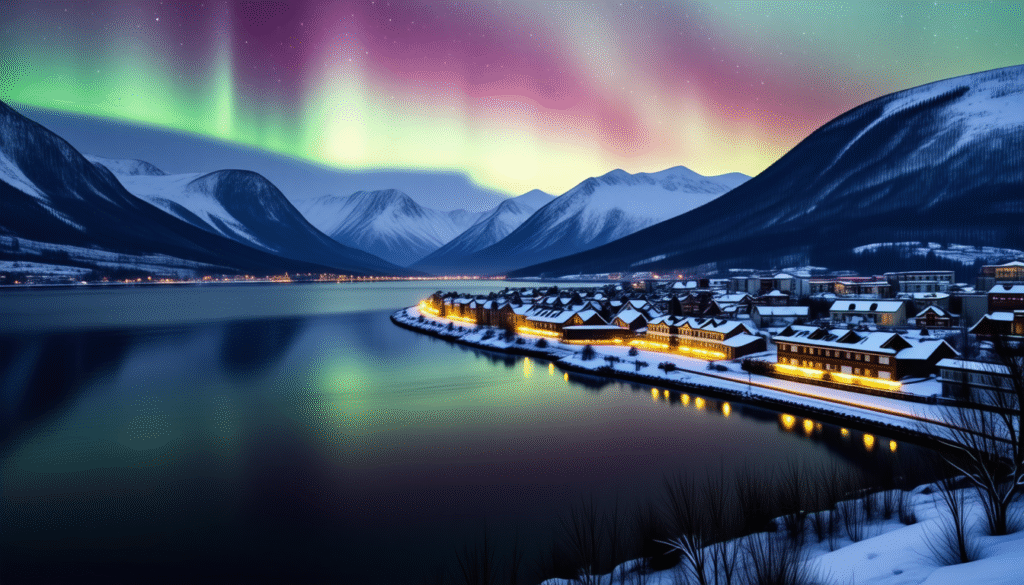
Reykjavik: Northern Lights, Nightlife, and Natural Wonders in Europe’s Coolest Capital
Reykjavik, the capital of Iceland, distinguishes itself as a MiniMightyCapitals destination where nature and vibrant urban life coexist spectacularly. Far removed from the European mainland, this city surprises visitors with its lively nightlife, a rarity in such a remote locale, earning a reputation as a party hub especially during the endless summer days. For lovers of both social scenes and natural beauty, Reykjavik provides an eclectic mix of attractions.
The city serves as a gateway to extraordinary geothermal spas, such as the Blue Lagoon, and stands in close proximity to volcanic craters and lava fields highlighting Iceland’s dynamic geology. Reykjavik’s impressive museums, like the National Museum of Iceland and the Saga Museum, delve into Viking history, sagas, and contemporary Icelandic culture, offering visitors an enriching cultural backdrop.
Adding to its allure, Reykjavik’s compact city center is easily navigable, allowing explorers to effortlessly switch between enjoying urban conveniences and venturing into spectacular natural landscapes. Its intimate streets bustle with cafes, bars, and restaurants featuring Icelandic cuisine driven by fresh seafood and local delicacies.
- Experience Reykjavik’s lively nightlife with bars and music venues.
- Visit geothermal spas and volcanic geological sites nearby.
- Explore museums highlighting Viking heritage and Icelandic culture.
- Enjoy local culinary experiences featuring seafood and traditional dishes.
- Take day trips from Reykjavik to glaciers, waterfalls, and hot springs.
Vaduz and Podgorica: Two Under-the-Radar Capitals with Unique Charms
Among Europe’s smallest capitals, Vaduz, of Liechtenstein, and Podgorica, in Montenegro, offer contrasting but equally intriguing experiences, often overshadowed by their more famous neighbors yet worth discovering for those craving something different.
Vaduz, home to roughly 5,000 inhabitants, earns the title of one of Europe’s tiniest capitals. It boasts a picturesque setting against the backdrop of the Alps, with no airport or train station adding a layer of tranquility absent in busier cities. Visitors can explore Vaduz Castle, perched dramatically above the town, and appreciate modern art at Kunstmuseum Liechtenstein, reflecting the principality’s unexpected cultural clout. This capital combines serene natural beauty with the refinement of a high-standard lifestyle.
On the other hand, Podgorica, the capital of Montenegro, offers visitors a step into history layered with Ottoman influences, visible in its architecture and vibrant street life. The city has undergone significant modernization, yet retains its character through Turkish buildings and bustling markets. Podgorica’s proximity to the Adriatic Sea and mountainous terrain makes it an excellent base for travelers seeking both urban exploration and access to nature.
- In Vaduz, tour Vaduz Castle and explore the Kunstmuseum Liechtenstein for contemporary art.
- Enjoy alpine hiking and scenic mountain vistas around Vaduz.
- In Podgorica, explore Ottoman-era architecture and lively marketplaces.
- Discover local Montenegrin cuisine and cultural festivals in Podgorica.
- Use Podgorica as a starting point for adventures into Montenegro’s mountainous national parks.
Bratislava and Andorra la Vella: Small Capitals Where History Meets Mountains and Modernity
Bratislava, Slovakia’s capital, and Andorra la Vella, the highest capital in Europe, present fascinating contrasts of history, nature, and modern lifestyle. Both cities demonstrate how small capitals can combine historical grandeur with emerging urban appeal, delivering rich traveler experiences.
Bratislava is steeped in baroque and Gothic architecture, featuring a wealth of castles, palaces, and churches within its relatively small footprint. Its location by the Danube and proximity to the Carpathian Mountains creates a delightful fusion of city life and outdoor opportunities. Wandering Bratislava reveals parks and historical sites such as Bratislava Castle, offering spectacular views and artistic inspiration. Visitors may appreciate the friendly atmosphere and cultural events rooted in Slovak traditions.
Perched at an elevation exceeding 3,000 feet, Andorra la Vella is known chiefly for skiing and tax-free shopping, drawing tourists eager to experience its PetitePulse amidst the Pyrenees. The city’s tiny road network—less than 200 miles—underscores its intimate size. Despite the lack of train or airport access, it is easily reachable by car or bus, which suits visitors seeking a getaway focused on outdoor sports and relaxed mountain living.
- In Bratislava, explore baroque architecture, castles, and vibrant city parks.
- Take day trips into the Carpathian Mountains starting right within the city limits.
- Attend cultural festivals celebrating Slovak heritage and music.
- In Andorra la Vella, enjoy winter sports on world-class ski slopes.
- Shop tax-free in the compact city center and explore quaint mountain streets.